Step-by-Step Mold Clean Up Service: What You Need to Know
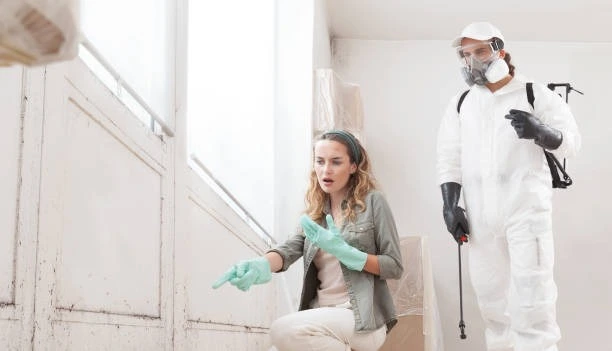
Mold growth in homes and commercial spaces is more than just an aesthetic problem—it can lead to serious health issues and structural damage. If you notice the presence of mold, acting quickly is crucial. A professional mold clean up service ensures that the problem is handled efficiently and safely. In this article, we will walk you through the essential steps of mold remediation, what you should expect from a professional service, and key tips to prevent future mold growth.
Understanding Mold and Its Risks
Mold is a type of fungus that thrives in damp, humid environments. It can grow on walls, ceilings, carpets, and even inside HVAC systems. While small patches of mold might seem harmless, prolonged exposure can cause respiratory issues, allergies, and skin irritation. In some cases, toxic mold like Stachybotrys chartarum can lead to more severe health complications.
Hiring a mold clean up service is the most effective way to protect your home and your health. Professionals not only remove visible mold but also address hidden mold in walls, insulation, and air ducts, ensuring the problem does not return.
Identifying the Signs of Mold
Early detection of mold is vital for effective remediation. Some common signs include:
- Musty odors in your home
- Visible black, green, or white spots on walls and ceilings
- Peeling paint or wallpaper
- Water stains or discoloration on surfaces
- Increased allergy symptoms among residents
If you notice any of these signs, it’s time to contact a professional mold clean up service. Acting early can prevent mold from spreading and causing extensive damage.
Step 1: Assessment and Inspection
The first step in any mold remediation project is a thorough assessment. A professional team will:
- Inspect the property to locate visible and hidden mold
- Identify the source of moisture causing mold growth
- Determine the extent of contamination and areas that require containment
This assessment helps the service team create a tailored mold removal plan. They may use moisture meters, infrared cameras, and air sampling to detect mold that is not visible to the naked eye.
Step 2: Containment of Affected Areas
Once mold is identified, containment is essential to prevent spores from spreading to unaffected areas. A mold clean up service typically uses:
- Plastic sheeting to seal off contaminated rooms
- Negative air pressure machines to filter airborne spores
- HEPA-filtered vacuums to reduce airborne contamination
Proper containment ensures that mold removal is safe for both workers and residents and prevents cross-contamination to other parts of the property.
Step 3: Mold Removal and Cleaning
With containment in place, the actual removal process begins. The method used depends on the surface type and the severity of the infestation:
- Hard surfaces like tiles, metal, and glass are cleaned with specialized antimicrobial solutions
- Porous materials like drywall, carpet, and insulation may need to be removed and replaced
- HEPA vacuums and air scrubbers are used to capture remaining mold spores
Professional mold clean up service providers also ensure that cleaning agents and procedures comply with safety standards, protecting both property and occupants.
Step 4: Drying and Moisture Control
Mold cannot grow without moisture, so eliminating dampness is critical. After removal, professionals will:
- Use dehumidifiers and fans to dry affected areas
- Inspect plumbing and roofing for leaks
- Recommend long-term solutions to maintain low humidity levels
Controlling moisture prevents mold from returning and ensures the health and safety of the property.
Step 5: Restoration and Repairs
Once mold is removed and areas are dried, restoration can begin. This may include:
- Replacing drywall, insulation, or flooring
- Repainting walls with mold-resistant paint
- Reinstalling HVAC filters and ducts if needed
A professional mold clean up service ensures that the property is returned to its original condition while minimizing the risk of future mold growth.
Choosing the Right Mold Clean Up Service
Selecting a reliable mold remediation company is essential. Consider the following factors:
- Certifications and training in mold remediation
- Experience in handling residential and commercial properties
- Transparent pricing and written estimates
- Use of safe, EPA-approved cleaning agents
Reading customer reviews and requesting references can help you choose a service that is trustworthy and effective.
Preventing Future Mold Growth
After mold cleanup, prevention is the key to long-term protection. Professional services often provide guidance on:
- Maintaining indoor humidity below 60%
- Ensuring proper ventilation in kitchens, bathrooms, and basements
- Fixing leaks promptly and inspecting roofing and plumbing regularly
- Using mold-resistant materials in areas prone to dampness
These measures, combined with regular inspections, can significantly reduce the likelihood of mold returning.
Health Precautions During Mold Cleanup
While professional services follow strict safety protocols, property owners should also take precautions:
- Wear masks, gloves, and protective clothing
- Avoid disturbing visible mold without professional assistance
- Keep children and pets away from contaminated areas
- Ensure proper ventilation when cleaning small mold patches at home
Following these precautions ensures your safety during and after mold remediation.
Conclusion
Mold growth is a serious issue that requires timely and professional intervention. A step-by-step approach by a qualified mold clean up service ensures effective removal, containment, and restoration, protecting both your property and your health. By understanding the process—from assessment to restoration—and taking preventive measures, homeowners and businesses can manage mold effectively and maintain a safe, clean environment.
Investing in a professional service is not just about removing mold; it’s about ensuring long-term safety, preserving property value, and safeguarding the well-being of everyone in the space.