Nintendo Switch and Switch Lite: A Practical Guide for 2025
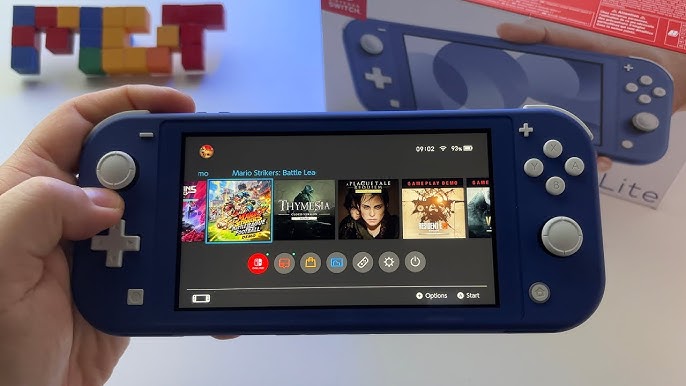
The Nintendo Switch family has reshaped portable gaming by blending home-console experiences with handheld play. For many players, the choice centers on two products: Nintendo Switch and Switch Lite. Each model targets different play styles and budgets, making it essential to understand what you gain or give up with each option. Whether you’re a couch gamer who loves docked TV sessions or a commuter who wants a compact handheld, this guide helps you decide which path is right for you.
Understanding the two devices
At a glance, the main differences revolve around display size, flexibility, and how you play. The standard Nintendo Switch (non-Lite) features a larger 6.2-inch screen, detachable Joy-Cons, and the ability to dock to a television for living-room play. Switch Lite, on the other hand, is a compact 5.5-inch handheld-only console with integrated controls, designed for players who prefer true portability and a lower price tag. Docking is not supported on the Lite, and it cannot connect to a TV out of the box.
Battery life varies by model and game type. The original Switch family typically delivers around 4.5 to 9 hours of play depending on the revision and usage, while Switch Lite usually achieves roughly 3 to 7 hours of handheld gaming. The controllers differ as well: the standard Switch uses detachable Joy-Cons that support motion controls and HD rumble, whereas the Lite’s built-in controls are fixed and cannot detach for motion-based play without external Joy-Cons. These differences influence how you approach multiplayer games, travel, and daily routines.
Game library, compatibility, and online play
Both models share the same expansive library of Nintendo Switch games. In practice, that means you can access popular titles like action adventures, platformers, and party games on either device. A key caveat is that the Switch Lite is handheld-only, so you’ll experience handheld play by default. If you own games that require motion-control features or multiplayer with Joy-Cons in a shared screen, you’ll need a standard Switch or additional controllers to enjoy those experiences on a TV together. For families and roommates, the standard Switch offers more flexibility for local co-op in docked mode, while the Lite is ideal for solo play on the go.
Online services, digital purchases, and cloud saves work across both devices, so your progress can travel with you between modes (where available). If you value playing on a big screen in communal spaces, the Switch’s TV mode is a clear advantage. If portability and price are your priorities, Switch Lite remains a compelling choice for gamers who mainly play in handheld mode and on the move.
Which one should you buy?
- Choose the Nintendo Switch if you want TV compatibility, flexible multiplayer, and detachable controllers for a wide range of games.
- Choose the Switch Lite if you want a lighter, more affordable handheld that focuses on portable gaming and simple, single-player experiences.
- Consider your typical play environments: couch sessions at home vs. daily commutes or trips, as this will heavily influence the best fit.
- Budget and accessories matter: think about extra controllers, travel cases, screen protectors, and charging solutions when evaluating total cost.
For a deeper comparison, you can read our guide on the Nintendo Switch and Switch Lite.
To stay updated with the latest tech news and gaming guides, visit TechRiyon.
In the end, both devices deliver the essence of Nintendo’s versatile approach to gaming. The right choice depends on whether your priority is a flexible home-and-portable setup or a streamlined handheld experience. Either way, you’ll have access to an ever-growing library of games, frequent updates, and a rich ecosystem that makes playing on a Nintendo system a consistently enjoyable experience.