The Contribution of Cellulose Ether Suppliers to Food and Construction Quality
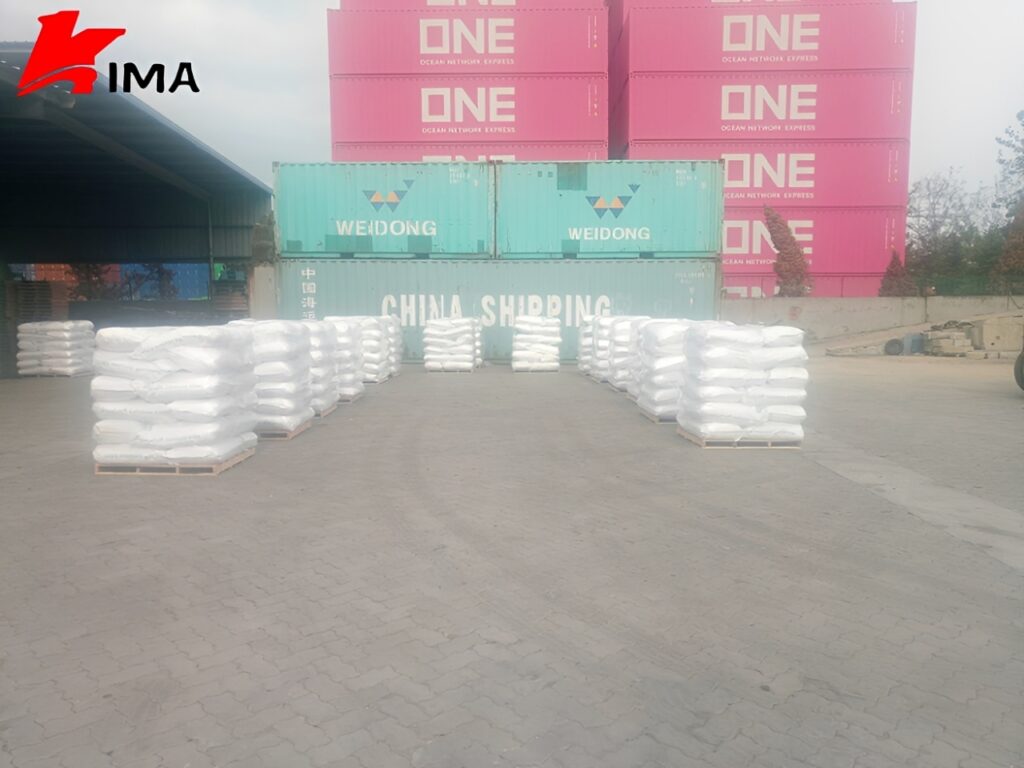
Cellulose ethers are versatile chemical compounds derived from natural cellulose. They possess unique properties such as water retention, thickening, film formation, and stabilization, which make them indispensable in various industries. Two sectors that heavily rely on cellulose ethers are construction and food. In both industries, the role of a reliable cellulose ether supplier is crucial, as these suppliers ensure a consistent quality of products that meet industrial standards and support efficient production processes.
Importance of Cellulose Ethers in the Construction Industry
In the construction industry, cellulose ethers are widely used as additives in cement-based materials, mortars, and plasters. Their water retention and thickening properties improve workability, prevent cracking, and enhance the overall durability of construction materials.
One of the primary uses of cellulose ethers in construction is in tile adhesives and wall plasters. By regulating water retention, cellulose ethers allow construction professionals more time to work with the materials before they set. This property is particularly important in hot climates where rapid drying can compromise the quality of the finished surface. A trusted cellulose ether supplier provides products with consistent viscosity and performance, which is critical for large-scale construction projects.
Another significant application is in cement-based coatings and renders. Cellulose ethers help create a smooth, uniform finish and prevent water loss during curing. This not only improves adhesion to surfaces but also reduces shrinkage and cracking. Without high-quality cellulose ethers, achieving these benefits would be challenging, making the supplier’s role essential in ensuring construction success.
Advantages Offered by Cellulose Ether Suppliers in Construction
A reliable cellulose ether supplier does more than just provide raw materials. They offer technical support, helping manufacturers select the right type of cellulose ether for their specific application. For example, hydroxyethyl cellulose (HEC) is ideal for thickening and improving water retention, while methyl cellulose (MC) offers excellent workability and adhesion. By guiding manufacturers, suppliers contribute to higher efficiency and quality in construction processes.
Additionally, suppliers maintain stringent quality control measures. Consistency in viscosity, molecular weight, and solubility is vital for construction applications. Fluctuations in these parameters can lead to poor material performance, resulting in weak adhesives, cracks, or uneven plastering. A dependable supplier ensures uniform quality, reducing the risk of construction defects and enhancing the durability of structures.
Role of Cellulose Ethers in the Food Industry
Cellulose ethers are equally important in the food industry, where they are used as thickeners, stabilizers, emulsifiers, and fat replacers. Their natural origin and non-toxic properties make them suitable for various food applications, from baked goods to sauces and dairy products.
In bakery products, cellulose ethers improve dough stability, retain moisture, and extend shelf life. For instance, methyl cellulose is used in gluten-free baking to mimic the structure of gluten, providing elasticity and preventing crumbling. Without access to high-quality cellulose ethers from a reputable cellulose ether supplier, achieving the desired texture and consistency in bakery items would be difficult.
In processed foods, cellulose ethers serve as stabilizers in sauces, dressings, and ice creams. They prevent separation of ingredients, maintain smooth texture, and enhance the product’s visual appeal. Hydroxypropyl methylcellulose (HPMC) is often used for these purposes, ensuring that food products maintain their quality during storage and transportation. Food manufacturers rely on dependable suppliers to provide cellulose ethers that meet food-grade standards and regulatory requirements.
Benefits of Partnering with a Reliable Cellulose Ether Supplier
Choosing the right cellulose ether supplier is critical for businesses in both the construction and food industries. Reliable suppliers offer several advantages that go beyond just supplying raw materials.
Firstly, they provide customized solutions tailored to specific industry needs. Different applications require cellulose ethers with varying molecular weights, viscosity ranges, and solubility characteristics. A supplier with expertise in both construction and food sectors can guide clients in selecting the most suitable products, ensuring optimal performance and efficiency.
Secondly, dependable suppliers adhere to strict quality control protocols. In construction, this guarantees consistent performance in adhesives, plasters, and mortars, while in food applications, it ensures safety, stability, and compliance with regulatory standards. Suppliers with robust quality assurance systems minimize the risk of product defects and help maintain the reputation of the manufacturers they serve.
Thirdly, technical support and research collaboration are additional benefits of partnering with experienced suppliers. They can assist in product formulation, troubleshoot processing issues, and introduce innovative cellulose ether variants that enhance product quality. This collaborative approach allows companies to stay competitive and meet evolving market demands effectively.
Challenges Addressed by Cellulose Ether Suppliers
The production and use of cellulose ethers involve several challenges, including variability in raw materials, solubility issues, and regulatory compliance. A reliable cellulose ether supplier addresses these challenges by sourcing high-quality cellulose, employing advanced production techniques, and ensuring that their products meet industry-specific standards.
In construction, suppliers ensure that cellulose ethers maintain consistent viscosity and performance across different batches, which is crucial for large-scale projects. In the food industry, suppliers guarantee food-grade purity and adherence to safety regulations, which is essential for consumer trust and legal compliance. By mitigating these challenges, suppliers play a vital role in the smooth operation of manufacturing processes.
Future Trends in Cellulose Ether Supply
The demand for cellulose ethers is expected to grow as industries seek sustainable and high-performance additives. Suppliers are increasingly focusing on eco-friendly production processes, biodegradable variants, and innovative formulations that enhance performance while reducing environmental impact.
In construction, future cellulose ether products may offer improved thermal insulation, enhanced adhesion on diverse surfaces, and greater resistance to environmental stress. In food, new cellulose ether variants could improve texture, extend shelf life, and enable low-fat or reduced-calorie formulations without compromising taste or quality. Cellulose ether suppliers will be central to these advancements, providing the materials and expertise needed to drive innovation.
Conclusion
Cellulose ethers have become indispensable in both the construction and food industries due to their versatility, functionality, and natural origin. A reliable cellulose ether supplier is crucial for ensuring consistent product quality, technical support, and innovative solutions tailored to industry-specific requirements.
In construction, cellulose ethers enhance workability, water retention, and durability of materials, while in food, they improve texture, stability, and shelf life. By partnering with experienced suppliers, businesses can overcome production challenges, maintain high-quality standards, and stay ahead in a competitive market. As industries continue to evolve, the role of cellulose ether suppliers will only become more significant, driving efficiency, innovation, and sustainability across multiple sectors.