How to Frost Glass: A Practical Guide for Privacy, Style, and DIY Fans
Frosted glass adds privacy while letting in light, making it ideal for bathrooms, entry doors, cabinet fronts, and shower enclosures. Whether you want a frosted pattern or a clean, uniform appearance, several techniques can achieve the effect without replacing glass. This guide explores safe, affordable options and practical tips for different surfaces and budgets.
One of the most common questions is how to frost glass in a home setting. If you’re searching for guidance, check a detailed resource on how to frost glass. The method you choose depends on the glass type, whether you want a soft diffusion or a bold etched design, and how permanent you want the result to be.
Choosing the Right Method
For a temporary or rental-friendly project, frosted films and privacy window films are ideal. They adhere with a squeegee and don’t scratch the surface. For something semi-permanent, glass etching cream creates a frosted look that lasts for years when applied correctly. If you’re comfortable with power tools and a more permanent result, sandblasting or laser etching are options, typically handled by professionals.
Frosting with Etching Cream
Etching cream uses a chemical that eats away the glass surface to create a frosted appearance. Start by cleaning the glass thoroughly, applying painter’s tape to protect edges, and laying out your stencil or pattern. With gloves and eye protection, apply the cream as directed, wait the recommended time, then rinse thoroughly. This method produces a clean, uniform finish that resembles traditional etched glass. Practice on a scrap piece first if you’re new to the technique.
Using Frosted Films and Vinyl Patterns
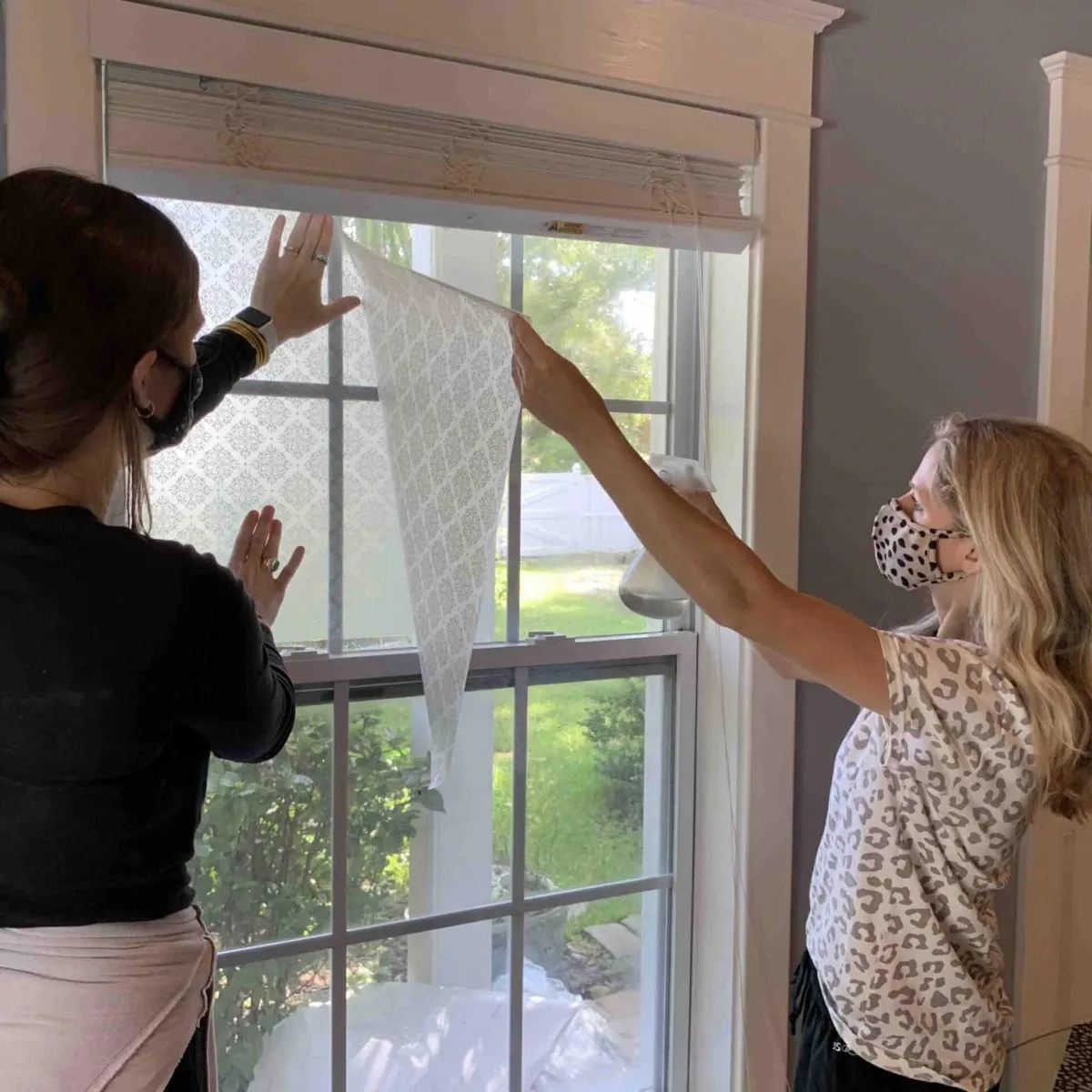
Peel-and-stick frosted films are popular for doors, shower enclosures, and cabinet panels. They come in various patterns, from solid frosted panels to delicate patterns that mimic sandblasting. Use a sharp utility knife to trim film to size, and apply with a smoothing tool to avoid bubbles. If you’re unsure about edges, or you want a decorative border, vinyl decals or stencils can guide your design before applying the final film.
Spray Frost and Glass Sprays
Spray-on frost sprays offer a quick, reversible option for small projects. Lightly mist the area to be frosted, keeping the nozzle at a consistent distance to avoid runs. This approach is best for temporary installations or experimenting with design ideas. For bathrooms and high-moisture areas, choose a product labeled for bathroom use and follow the manufacturer’s directions to resist moisture and peeling.
Design Tips for a Professional Look
Pattern choice matters. A uniform matte finish can feel modern and minimalist, while geometric patterns create a bold statement. If you want to blend privacy with light, consider a gradient or frosted film that fades toward the edges for a subtle transition. Always pre-fit your pieces, measure twice, and cut only once. For cabinet doors, test a small section first to ensure the finish won’t rub off with frequent use.
Maintenance and Care
Frosted glass, especially on frequently cleaned surfaces, benefits from gentle care. Use mild detergents, soft cloths, and avoid abrasive pads that can scratch the frosted surface. For films, avoid sharp objects near the edges and reapply if edges begin to peel. Periodic resealing isn’t required for most film solutions, but you should refresh patterned films if sunlight fades the design.
For more DIY ideas, visit our homepage.