Hurricane Backup Power Guide: Stay Prepared Before the Storm Hits
Hurricane Backup Power Guide: Why Preparation Matters
A hurricane can disrupt life in minutes, cutting off electricity, communication, water supply, and access to essential services. That is why having a reliable hurricane backup power guide is essential for homeowners, renters, and even small business owners in storm-prone regions. Power outages during hurricanes are not just inconvenient—they can be dangerous, especially when refrigeration, medical devices, lighting, and communication systems are affected.
Preparing in advance gives you control during chaos. Instead of scrambling for generators or fuel when stores are already empty, a solid plan ensures you stay safe, connected, and comfortable even during extended blackouts.
Understanding Power Risks During Hurricanes
Hurricanes bring high winds, flooding, and falling debris, all of which can damage electrical infrastructure. Power lines may be knocked down, transformers can fail, and entire grid sections may shut down to prevent further damage.
In many cases, outages last for hours, days, or even weeks depending on the severity of the storm. This makes planning ahead with a hurricane backup power guide not just helpful, but critical for survival and recovery.
Key risks include:
- Loss of refrigeration leading to food spoilage
- Inability to charge phones or communication devices
- Medical equipment failure for dependent individuals
- Lack of lighting during nighttime emergencies
- Disruption of internet and emergency alerts
Types of Backup Power Options for Hurricanes
Choosing the right backup system is one of the most important parts of any hurricane backup power guide. Different solutions serve different needs depending on budget, household size, and power requirements.
Portable Power Stations
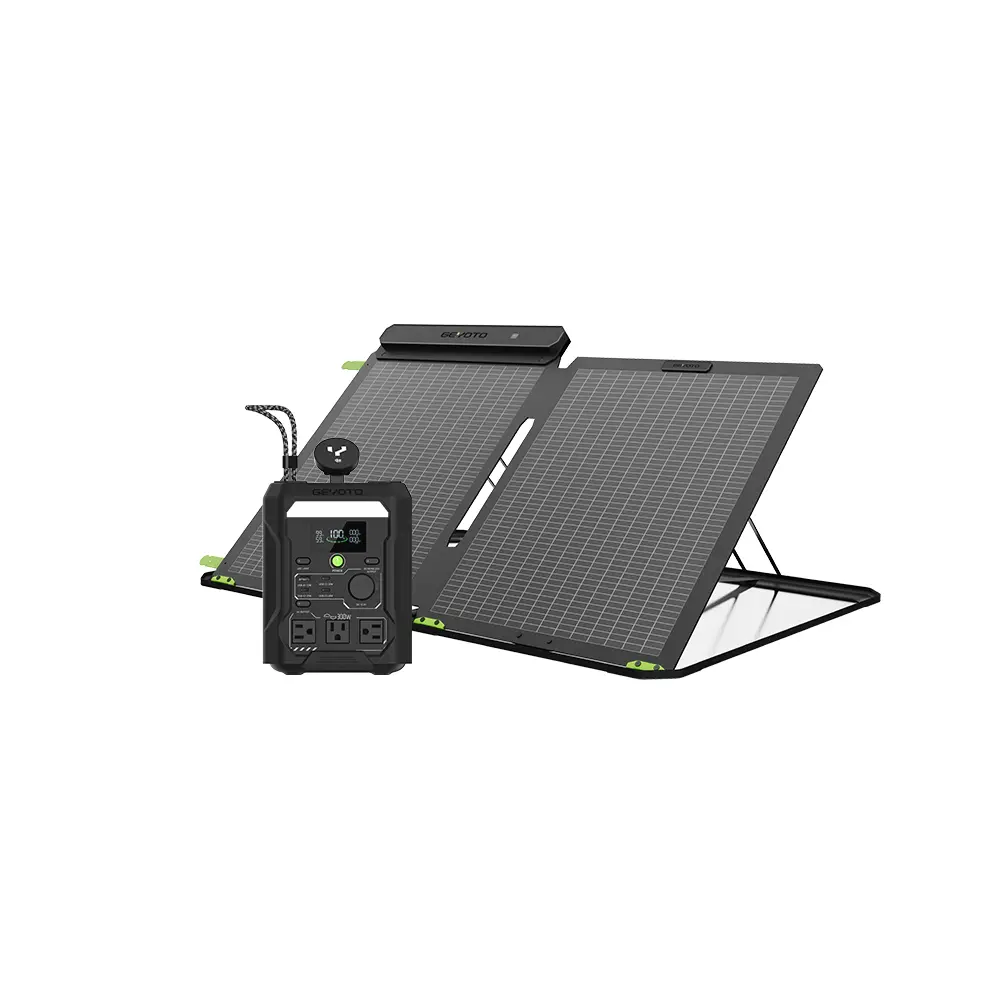
Portable power stations are becoming increasingly popular because they are quiet, safe indoors, and easy to operate. They store electricity in built-in batteries and can be charged via wall outlets, solar panels, or even car chargers.
These systems are ideal for:
- Charging phones and laptops
- Running small appliances
- Powering lights and fans
- Keeping routers active for internet access
They require no fuel, produce no fumes, and are extremely user-friendly, making them a top recommendation in a modern hurricane backup power guide.
Traditional Gas Generators
Gas-powered generators are powerful and capable of running heavy appliances such as refrigerators, air conditioners, and sump pumps. However, they require fuel storage, ventilation, and regular maintenance.
Pros:
- High power output
- Can run multiple large appliances
- Suitable for long outages if fuel is available
Cons:
- Noise pollution
- Fuel dependency
- Outdoor-only operation due to carbon monoxide risk
Solar Backup Systems
Solar-powered systems combine panels with battery storage, offering a renewable and sustainable solution. While initial costs are higher, they provide long-term independence from fuel shortages during emergencies.
A well-designed solar setup is often considered the most future-proof option in a hurricane backup power guide because it continues working as long as sunlight is available.
How Much Power Do You Really Need?
One of the most overlooked steps in any hurricane backup power guide is calculating energy needs. Many people either underprepare or overspend by choosing systems that do not match their requirements.
Start by listing essential devices:
- Refrigerator: 150–800 watts
- Smartphone: 5–20 watts
- LED lights: 5–10 watts per bulb
- Wi-Fi router: 10–20 watts
- Fan: 50–100 watts
Once you know what you need to run, you can choose a backup system that matches both wattage and runtime requirements.
Essential Hurricane Backup Power Planning Steps
A complete hurricane backup power guide should include a step-by-step preparation strategy to ensure nothing is missed.
Step 1: Assess Your Household Needs
Identify critical devices and prioritize them. Not everything needs to run during an outage. Focus on essentials like communication, refrigeration, and medical equipment.
Step 2: Choose the Right Power Source
Decide between portable stations, generators, or solar systems based on your budget and lifestyle. Many households even use a combination of two systems for redundancy.
Step 3: Prepare Fuel or Charging Methods
If using gas generators, store fuel safely and legally. For solar and battery systems, ensure charging options are always available before the storm arrives.
Step 4: Test Your Equipment
Never wait for a hurricane to test your backup system. Run a full simulation to ensure everything works properly and you understand how to operate it.
Step 5: Create a Power Usage Plan
During emergencies, ration your electricity usage. A structured plan ensures your backup power lasts as long as possible.
Common Mistakes to Avoid
A hurricane backup power guide is incomplete without highlighting common mistakes that can lead to failure during emergencies.
Avoid these errors:
- Waiting until the last minute to buy equipment
- Overloading your generator or power station
- Storing insufficient fuel
- Ignoring maintenance and testing
- Forgetting surge protection for electronics
Small oversights can lead to major problems when the storm hits.
How to Extend Backup Power Duration
Maximizing efficiency is key during long outages. Smart energy use ensures your system lasts longer and supports your essential needs throughout the emergency.
Practical tips include:
- Use LED lighting instead of traditional bulbs
- Turn off non-essential devices
- Keep refrigerator doors closed
- Charge devices in cycles rather than continuously
- Use energy-efficient appliances whenever possible
These habits significantly improve the effectiveness of your hurricane backup power guide strategy.
Safety Considerations During Power Outages
Safety should always come first when using any backup power system. Improper use of generators or electrical equipment can create serious hazards.
Important safety rules:
- Never run gas generators indoors or in garages
- Keep equipment dry and elevated during flooding
- Use proper extension cords rated for outdoor use
- Avoid overloading circuits
- Keep backup power away from children and pets
Following safety guidelines ensures that your hurricane backup power guide protects not only your comfort but also your life.
Final Thoughts on Hurricane Preparedness
A reliable hurricane backup power guide is more than just a checklist—it is a survival strategy. Hurricanes are unpredictable, but your preparedness does not have to be.
By understanding your energy needs, choosing the right backup system, and practicing safe usage, you can maintain control even in the most challenging conditions. Whether you rely on portable power stations, generators, or solar solutions, preparation is the key to resilience.
When the storm arrives, it is too late to prepare. The time to act is now, ensuring that your home stays powered, connected, and safe no matter how severe the hurricane becomes.