3 effective tips to control overactive bladder
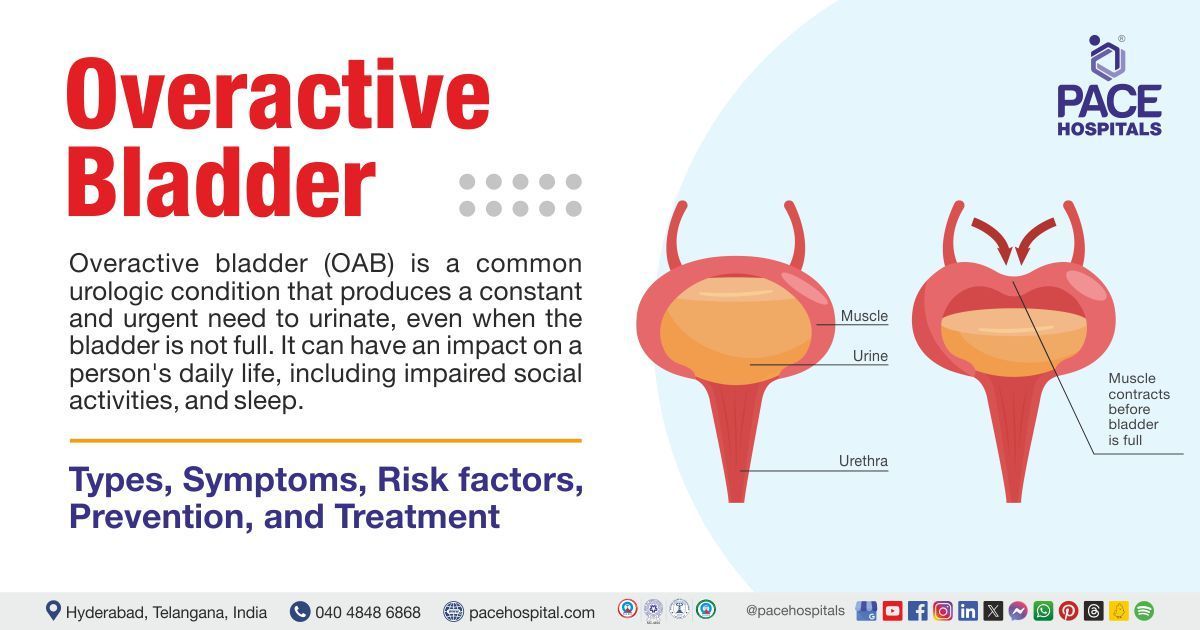
Overactive bladder (OAB) affects millions of people worldwide, causing sudden urges to urinate, sometimes with leakage. While it can be frustrating, it is manageable with the right approach. In this guide, we present 3 effective tips to control overactive bladder that you can start using today to reduce urgency and improve daily comfort.
Understanding overactive bladder
OAB is characterized by a pattern of frequent urges to urinate, often occurring even when the bladder isn’t full. Common symptoms include a sudden need to rush to the bathroom, daytime frequency, and, in some cases, leakage. The good news is that OAB rarely signals a more serious condition and is highly responsive to lifestyle changes, pelvic floor exercises, and, when needed, medical treatment.
Tip 1: Bladder training and scheduled voiding
Bladder training helps you regain control by extending the time between urge sensations. Start by using a schedule—visiting the bathroom every 2–3 hours, even if you don’t feel a strong urge. Gradually increase the interval by 15-minute increments as you become more comfortable. This technique retrains your bladder’s signaling and can lessen the frequency of urgent trips. Keep a simple diary to track how long you can wait and how you feel after each trip. Consistency is key for progress.
Tip 2: Mindful fluid and stimulant management
What you drink and when you drink it can significantly affect OAB symptoms. Aim to distribute fluids evenly throughout the day and limit large-volume intake close to bedtime to reduce nocturia. Be mindful of bladder irritants such as caffeine, alcohol, carbonated drinks, and acidic beverages. Some people find that cutting back on these triggers improves urgency and leakage. If you notice symptoms spike after certain foods or drinks, consider keeping a short elimination log to identify personal triggers.
Tip 3: Strengthening the pelvic floor and staying active
Pelvic floor exercises, such as Kegels, can strengthen the muscles that support the bladder and urethra, helping you control sudden urges. A simple routine of contracting the pelvic floor for a few seconds, then relaxing, several times a day can yield noticeable improvements over a few weeks. Combine this with regular physical activity, as a healthy weight and better cardiovascular fitness can reduce bladder pressure and improve bladder control. If you’re unsure about technique, ask a clinician or physical therapist for a guided program tailored to your needs.
When to seek professional guidance
While many people find relief with these strategies, persistent symptoms warrant a consultation with a healthcare provider. They can assess for underlying conditions, review medications, and discuss treatment options such as bladder-directed therapies, medications, or minimally invasive procedures if appropriate. Early action can prevent the condition from impacting sleep, work, and social life.
OAB is a common and manageable condition, and addressing it with a structured plan—combining behavioral strategies, lifestyle adjustments, and professional input—can lead to meaningful improvements in quality of life. For more resources and detailed guidance, visit the homepage.