Choosing the Best Paint for Bricks: A Practical Guide
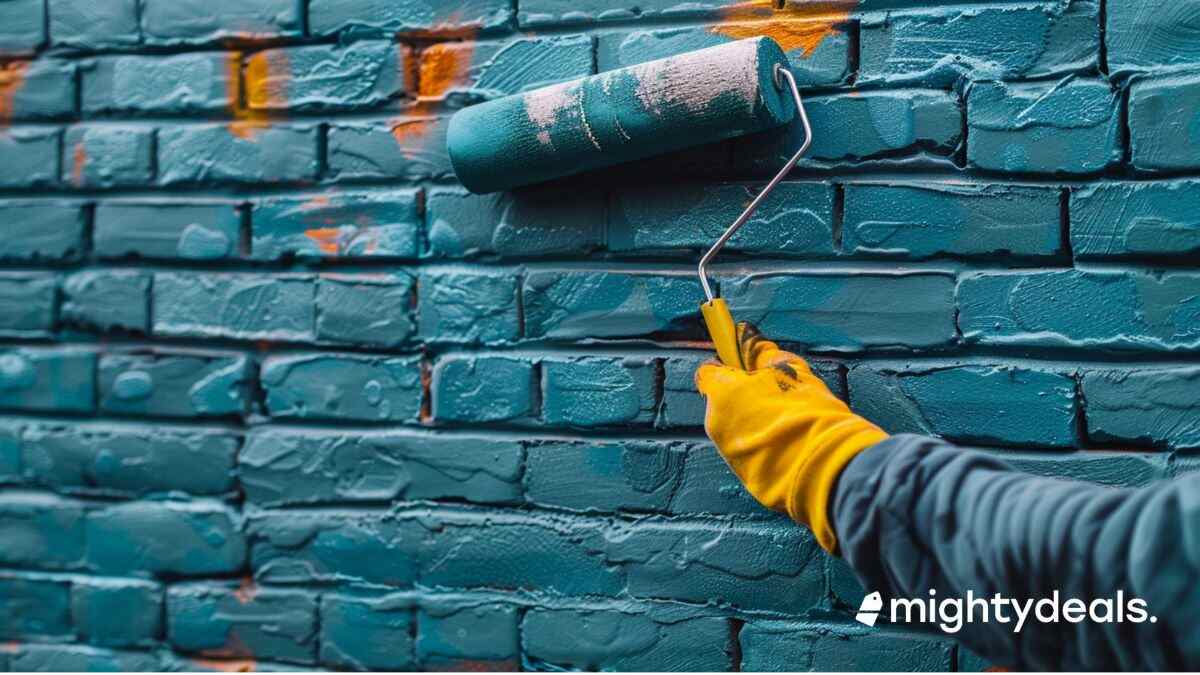
Brick walls add texture and character to homes and commercial spaces, but painting bricks requires more than picking a pretty color. The wrong product or poor surface prep can lead to flaking, moisture problems, and fading that disappoints long before the next rain. A strategic approach starts with choosing a product suited to porous masonry, climate, and the level of finish you want. If you’re unsure where to start, explore the best paint for bricks and compare options from trusted brands to find a durable, breathable coating that can flex with temperature changes.
Understanding brick surfaces
Not all bricks are created equal. Some bricks are highly porous and absorb moisture quickly, while others are denser and less thirsty. Exterior brick faces are continually exposed to sun, rain, and seasonal cycles, which means the coating must resist UV degradation without trapping moisture inside the wall. Before you choose a color, assess concealing stains, efflorescence, or previous coatings. A light cleaning and a moisture test can reveal whether the brick needs a pore-sealing primer or a breathable topcoat.
Types of brick paint options
For brick, you’ll typically encounter three broad families. Acrylic or latex masonry paints offer affordable color and good adhesion but must be moisture-permeable to prevent blistering. Elastomeric masonry paints form a thicker film that bridges small cracks and repels water, yet may reduce breathability if overapplied. Limewash remains a traditional choice in historic contexts, delivering a soft, matte finish with maximum porosity and a rustic texture. Your climate, whether you face heavy rain, freeze-thaw cycles, or high UV exposure, will help determine which type balances durability with the brick’s natural look.
Preparation steps for long-lasting color
Preparation is the secret to lasting results. Start by removing dirt, efflorescence, and loose paint with a stiff brush or pressure washer on a gentle setting. Allow the wall to dry completely, then fill any cracks or damaged mortar joints. Apply a masonry primer on new or repaired surfaces—especially if you’re switching from an older coating. Prime helps the color adhere evenly and reduces the risk of peeling in damp seasons. Finally, choose a high-quality masonry paint and apply multiple thin coats rather than one thick layer for even color and better longevity.
Choosing the right finish
Finish matters as much as color. A satin or eggshell finish on exterior brick provides a balance between sheen and breathability, while a higher-gloss topcoat can emphasize lines and texture but may highlight surface imperfections. For historic brick or highly porous surfaces, a breathable finish can prevent moisture from getting trapped inside the wall. If you’re unsure, start with a sample area to observe how the color shifts with sunlight and seasons before committing to the entire wall.
Environmental considerations and placement
Outdoor brick coatings must withstand sun exposure, rain, temperature swings, and humidity. In damp climates, choose paints with good moisture management and mold resistance. In sunny regions, UV-stable pigments help preserve color and prevent fading. Interior brick projects—such as feature walls in living rooms or kitchens—benefit from lighter colors and coatings designed for indoor use, which often require less frequent maintenance. Always follow manufacturer guidelines for temperature and curing times to ensure optimal performance.
Shopping tips and how to compare options
When evaluating products, compare coverage rates, drying times, recoat windows, and warranty terms. Check whether the paint is labeled for masonry use and whether it offers breathable films that prevent moisture buildup. Look for low-VOC options if indoor air quality is a priority. If you want to see curated recommendations, you can consult the best paint for bricks resource to compare top choices, finishes, and price points.
For more home improvement insights and a broader range of guides, visit the HausFixr homepage.