Benefits of Implementing Generative AI for Retail: A Practical Guide for Modern Stores
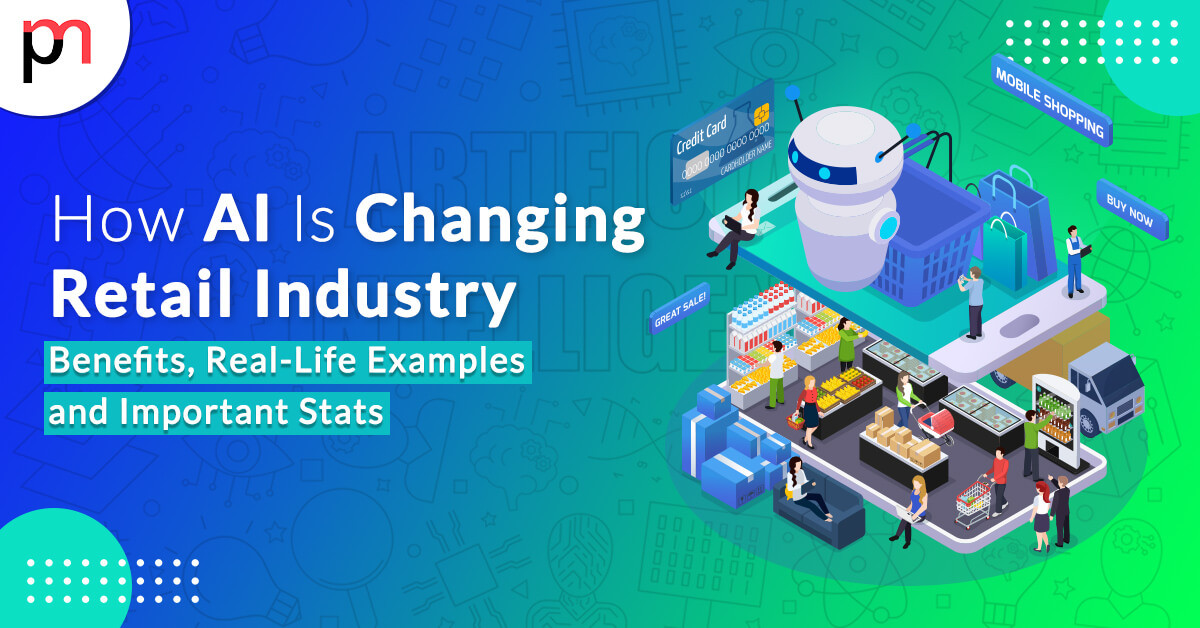
In an industry where consumer expectations shift quickly and margins are tight, generative AI offers a way to scale creativity, automate routine tasks, and personalize experiences at scale. Unlike traditional rule-based systems, generative models can produce tailored content, simulate demand, and propose novel merchandising ideas with minimal manual input. For retailers, this technology translates into better engagement, faster time-to-market, and smarter decision-making across channels.
Personalized shopping at scale
Generative AI powers hyper-personalization by analyzing purchase history, browsing behavior, and contextual signals to craft individual recommendations, emails, and even storefront layouts. The learnings from each interaction feed new prompts that refine future interactions without lengthy human scripting. Customers feel seen, and retailers see higher conversion rates and increased basket size.
Automated content and product storytelling
From product descriptions to creative banners, generative AI can generate consistent, on-brand content in seconds. This reduces writer and designer workloads while preserving a distinct voice across product pages and campaigns. Merchandisers can test multiple narratives and visuals in parallel, quickly selecting the most effective assets for different audiences.
Operational efficiency and cost savings
Behind the scenes, AI helps forecast demand, optimize inventory, and automate routine customer-service tasks. Chatbots powered by generative models handle common questions, escalate complex issues, and provide proactive support—freeing agents to tackle higher-value work. Retailers can also speed up seasonal planning and markdown optimization by simulating scenarios and comparing outcomes with data-driven prompts.
Pricing, assortment, and demand forecasting
Generative AI supports dynamic pricing experiments, scenario planning, and assortment decisions by synthesizing market signals, competitor activity, and historical results. While human oversight remains essential, AI-generated insights can reveal hidden correlations—like the impact of a new color option on demand in a specific region—helping retailers tune assortments with confidence.
Ethics, privacy, and governance
As with any AI initiative, retailers should prioritize responsible use. Data governance, consent, and bias checks ensure that personalized experiences feel relevant and respectful rather than invasive. Establishing guardrails, monitoring prompts, and documenting model performance helps maintain trust with customers and reduces risk.
Looking ahead
As retailers continue to experiment with generative AI, the emphasis shifts to augmentation—giving teams smarter tools to brainstorm, test, and bring offerings to market faster. The result is a more resilient, responsive business that can adapt to trends without sacrificing brand integrity or customer trust. With thoughtful governance, the benefits can compound over time as data, models, and processes improve.
Getting started
Start small with a pilot project focused on a single channel—such as catalog content or email personalization—then scale to others as you measure impact. Define clear success metrics (conversion rate uplift, time saved, margin improvement) and align stakeholders across marketing, merchandising, and IT. Regularly retrain and test models with fresh data to keep outputs accurate and relevant.
For a focused overview, you can read about the benefits of implementing generative ai for retail on InvestBout.
To keep exploring how this technology fits your business, visit the InvestBout homepage for related insights, case studies, and practical checklists that help you translate theory into action.