Best Hair Color to Cover Gray: Tips for a Flawless Blend
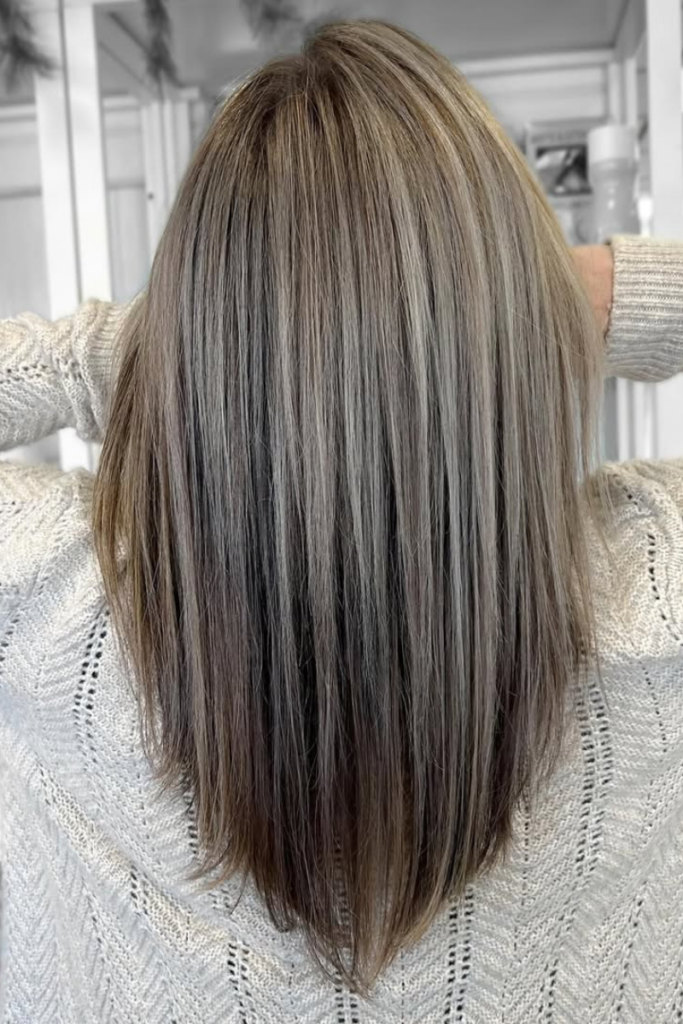
Graying hair is a natural part of life, and many people want a color solution that looks modern, keeps their roots invisible, and still feels like them. The challenge is finding a shade that covers gray evenly without looking flat or brassy. For this reason, many clients start by asking a single, important question: best hair color to cover gray—and they want practical guidance on how to achieve seamless results at home or in the salon.
The first step toward an effective gray coverage strategy is understanding undertones. If you have cool undertones (pink, blue, or violet skin undertones), ash or cool chocolate browns can blend gray without warmth that makes roots stand out. If your undertones skew warm (golden, peachy), honey browns, caramel blondes, or coppery reds tend to look more natural. The goal is to pick a shade that harmonizes with your existing hair color and your skin tone so the gray fades into the natural spectrum rather than shouting for attention.
When choosing between permanent and demi-permanent dyes, gray coverage considerations matter. Permanent color with a higher developer lift offers strong gray coverage and longer wear, but it can be more aggressive on delicate hair. Demi-permanent formulas deposit pigment without lifting the cuticle as aggressively, providing good coverage with less damage and easier reversibility. For those who want low maintenance, a glaze or low-ammonia color can refresh the tone and maintain shine while softening gray roots between salon visits.
To achieve natural-looking coverage, many stylistic experts recommend opting for multi-dimensional shades rather than a single flat block. Techniques such as root smudging, balayage, or soft foils can help gray hair blend with lighter or darker strands, reducing the appearance of regrowth at the scalp. A common approach is to select a shade within one to two levels of your current color, then add subtle highlights or lowlights to create depth that makes gray less conspicuous.
If you’re unsure whether to trust DIY kits or book a professional colorist, consider your hair’s health and history. Color-treated or heavily processed hair may respond better to a gentler demi-permanent option or a gloss that neutralizes brass while enriching shine. A professional can assess porosity, previous color lift, and curl pattern to tailor the formula, timing, and post-treatment care for durable gray coverage.
Maintenance is key to keeping gray from appearing patchy. Use color-safe shampoos and conditioners, along with a clarifying wash schedule to remove mineral buildup that can dull color. Purple or blue-tinted shampoos are useful for counteracting yellowing in gray strands, while regular conditioning helps prevent dryness that can highlight root lines. Schedule touch-ups every 4–6 weeks for noticeable root growth, or explore root-shadow techniques that extend time between visits while preserving a natural transition.
For readers who want a quick navigation option, you can also visit the Magazinexu homepage for additional beauty resources, product recommendations, and step-by-step ideas that complement gray coverage strategies.
In short, the best hair color to cover gray is less about chasing a single shade and more about choosing a tone that flatters your skin, combining techniques that blend growth, and maintaining the health of your hair. By balancing undertones, selecting the right type of color, and committing to a smart maintenance routine, you can enjoy seamless gray coverage that looks natural, modern, and true to you.
Keywords: gray hair, hair color ideas, color maintenance, salon tips, dye guidelines