5 simple updates that make homes more energy efficient
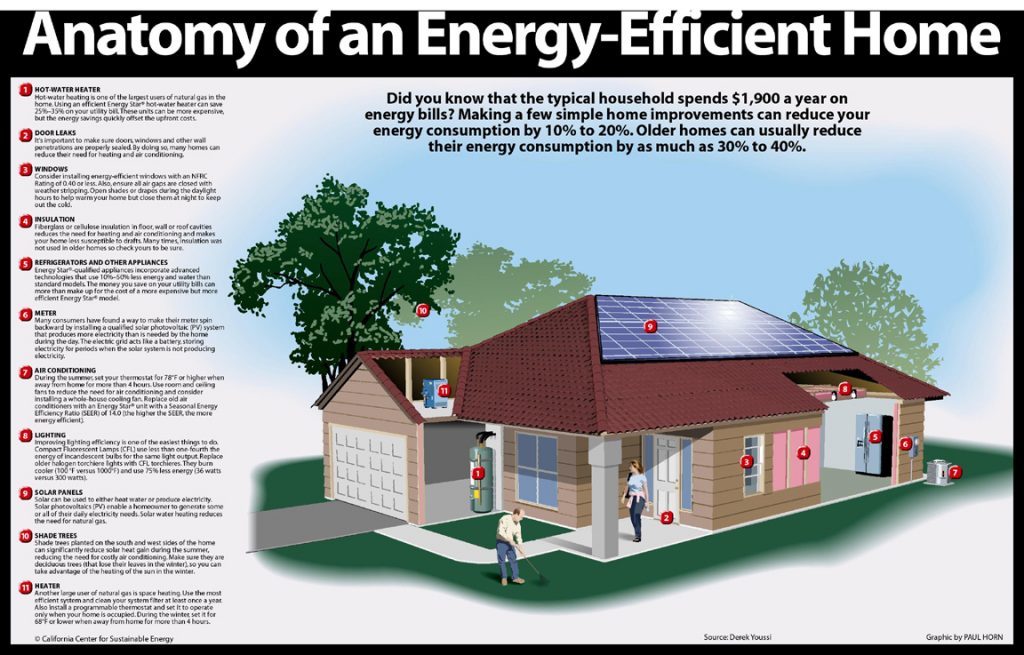
Energy efficiency isn’t about expensive renovations or sacrificing comfort. Small, thoughtful changes can dramatically reduce utility bills, improve indoor air quality, and lessen environmental impact. By focusing on practical upgrades that deliver measurable gains, homeowners can see real results within a season and set the stage for ongoing savings. The best part is that many of these updates can be completed with modest budgets and DIY effort, often returning their cost through monthly energy savings.
Interested in a concise plan? Discover 5 simple updates that make homes more energy efficient to start cutting bills today.
Update 1: Seal gaps and improve insulation
Air leaks around doors, windows, electrical outlets, and attic hatches are sneaky culprits of energy waste. Start with a quick audit: feel for drafts around exterior doors, pay attention to ceiling and wall cavities, and check attic access points. Weatherstripping and door sweeps can stop drafty airflow at a fraction of the cost of bigger upgrades. Add or upgrade insulation in the attic and exterior walls where needed. A well-sealed, well-insulated home reduces heat loss in winter and heat gain in summer, making every other energy upgrade more effective.
Update 2: Step up HVAC efficiency with smart controls
Heating and cooling dominate energy use in most homes. A programmable or smart thermostat adjusts comfort levels without manual effort, ensuring you don’t pay to heat or cool an empty house. Combine this with properly maintained equipment—replace dirty air filters monthly, have ducts sealed if needed, and schedule regular professional tune-ups. If your budget allows, consider upgrading to an ENERGY STAR furnace or heat pump system, which delivers heat or cooling more efficiently and with lower operational costs over time.
Update 3: Upgrade lighting and electrical loads
Lighting accounts for a sizable portion of electricity use, especially in darker climates or during long evenings. Replace incandescent bulbs with energy-efficient LED bulbs across the home, selecting warm tones for living areas and brighter options for task spaces. Add dimmers where appropriate to reduce light output and extend bulb life. Use smart plugs or power strips to eliminate standby power from electronics. These small changes can compound into meaningful daily energy savings with minimal disruption.
Update 4: Improve windows, shading, and natural airflow
Windows are a major factor in comfort and efficiency. Consider window coverings that block sunlight during peak hours in summer and let sunlight in during winter. Exterior shade trees, awnings, or reflective films can reduce heat gain significantly. For older or inefficient windows, weatherstripping and storm windows can improve performance without a full replacement. Emphasizing natural ventilation during milder days can also reduce the need for mechanical cooling, provided you use it wisely to balance humidity and indoor air quality.
Update 5: Optimize water heating and appliance efficiency
Water heating is another energy-heavy task. Lowering water heater temperature to around 120°F (49°C) reduces standby heat loss and the risk of scalding, while still providing comfortable hot showers. If your system is old, consider a high-efficiency model or an occasional use of a heat pump water heater. Install low-flow fixtures and aerators on faucets and showerheads to reduce water consumption without sacrificing performance. When purchasing new appliances, prioritize ENERGY STAR-rated models and use them with full loads to maximize efficiency gains.
Implementing these five simple updates creates a solid foundation for a more energy-efficient home. For more resources and practical guidance, visit the HomeVotel homepage.
By taking small, deliberate steps—improving insulation, upgrading controls, lighting, windows, and water heating—you can see tangible benefits in comfort and monthly costs. Each upgrade builds on the last, leading to a home that performs better, lasts longer, and costs less to run. Start with one or two changes this month, then reassess after a season to plan your next efficient improvement.