Seat Belt Tickets in Ontario: Laws, Fines, and Avoiding Penalties
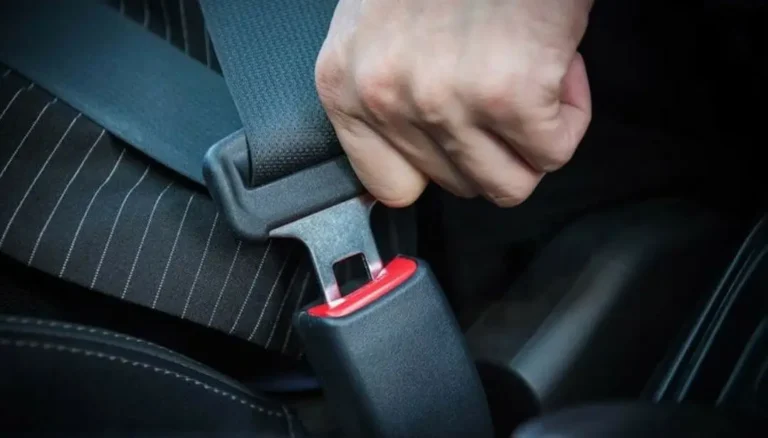
Seat belt laws in Ontario are designed to protect drivers, passengers, and other road users from serious injury or death. Unfortunately, many motorists overlook the importance of complying with these laws, resulting in costly seat belt tickets and demerit points. Whether you’re a new driver, a seasoned motorist, or someone who just wants to better understand your legal obligations, this article will walk you through everything you need to know about seat belt tickets in Ontario — including the laws, fines, and strategies to avoid penalties.
Understanding Ontario’s Seat Belt Laws
Ontario has strict seat belt regulations that apply to all vehicle occupants. According to the Highway Traffic Act, every person inside a motor vehicle must wear a seat belt that is properly adjusted and securely fastened. Failure to do so is an offence under the law, and police officers are authorized to issue tickets on the spot.
The law applies not only to drivers but also to passengers of all ages. Children are subject to additional regulations that govern the use of child safety seats and booster seats, depending on their age, height, and weight. These rules are in place because seat belts and child restraints significantly reduce the risk of severe injury in a crash. However, many people are surprised to learn that they can be ticketed for non‑compliance even if their vehicle wasn’t moving at the time.
Ontario’s seat belt law states that each occupant of a motor vehicle must be properly restrained. For drivers, this means ensuring that everyone in the car is buckled up before setting off. Leaving the responsibility solely to passengers is not enough; as a driver, you are legally accountable for ensuring seat belt compliance among all occupants. Failure to do so can lead to multiple fines for each unbuckled passenger.
What Triggers a Seat Belt Ticket?
A seat belt ticket can be issued in a variety of situations. The most obvious is being stopped by a police officer who observes that you or your passengers are not wearing seat belts while the vehicle is in operation. However, officers can also issue tickets if the vehicle is stopped at a red light or parked on the shoulder of a roadway. If the vehicle is deemed to be in operation — meaning it could be driven — the law still applies. This includes situations where the engine is running, or the vehicle is stopped in traffic.
Seat belt inspections at traffic stops or checkpoints are another common way drivers get ticketed. Whether you’re pulled over for a broken tail light or a random check, officers will take the opportunity to verify compliance with seat belt laws. Ignorance of the law is not a defense, and simply claiming you forgot to buckle up is unlikely to prevent a ticket.
Another trigger for seat belt enforcement is a collision. After an accident, police will often inspect whether occupants were wearing seat belts. If not, officers can issue tickets as part of the investigation. This can add financial penalties on top of possible injury claims or increased insurance premiums.
Fines and Penalties for Seat Belt Violations
The consequences of receiving a seat belt ticket in Ontario go beyond just the immediate fine. Under the Highway Traffic Act, failure to wear a seat belt or ensure that passengers are buckled up can result in significant financial penalties and other consequences.
The base fine for a seat belt violation is set by the provincial regulations. In addition to the fine itself, there are mandatory court costs that increase the total amount payable. Depending on the municipality, the total cost can be substantially higher than the base fine alone. It is not uncommon for a seat belt ticket to cost several hundred dollars once all fees are included.
Seat belt tickets also carry demerit points. Accumulating too many demerit points can lead to licence suspensions, higher insurance rates, and other long‑term consequences on your driving record. For new drivers in particular, demerit points can pose a serious risk to maintaining their licence status.
Failure to pay the fine on time can result in additional penalties, including licence suspension and the involvement of collection agencies. Ignoring a seat belt ticket does not make it go away, and the legal consequences only escalate with time.
How to Fight a Seat Belt Ticket in Ontario
Receiving a seat belt ticket can be stressful, but it doesn’t always mean you have to accept the penalties. Many drivers choose to contest their tickets in court, and there are legitimate defences that can be raised depending on the circumstances.
One key strategy for fighting a ticket is challenging the officer’s observation. For example, if you were stopped for a different reason and the officer did not have a clear view of you or your passengers, it may be possible to argue that the evidence is insufficient. Video recordings, witness statements, or other documentation can support your case.
Another defence is demonstrating that the seat belt was not reasonably accessible or functional at the time. If the seat belt mechanism was defective and you were unaware, this is something a court may consider. However, it’s important to note that you will typically need evidence, such as repair receipts or expert testimony, to substantiate this claim.
If you choose to dispute your seat belt ticket, it’s highly advisable to seek legal advice or representation. Traffic law can be complex, and experienced professionals know how to navigate the court system effectively. For example, services like https://www.trafficparalegalservices.com/seat-belt-tickets/ offer guidance and representation to help you understand your options and build a strong defence.
Pleading guilty with an explanation is another option. In some cases, providing a reasonable explanation to the judge — such as a medical condition that prevented you from wearing a seat belt — may result in reduced penalties or alternative resolutions. This approach depends heavily on the specific facts of your case and the discretion of the court.
Tips to Avoid Seat Belt Tickets
The simplest and most effective way to avoid a seat belt ticket is to make sure that everyone in your vehicle is buckled up every time you drive. Here are practical tips to keep you compliant with the law:
• Always buckle up before driving – Get into the habit of fastening your seat belt as soon as you enter the vehicle. This sets a good precedent for passengers as well.
• Remind passengers to buckle up – Especially if you are driving with children or passengers who are unfamiliar with Ontario’s laws, take a moment to ensure that everyone’s seat belt is secured properly.
• Check your seat belts regularly – Ensure that all seat belt mechanisms are working correctly. Worn or damaged belts should be repaired or replaced promptly.
• Know the exceptions, if any – Certain medical conditions may exempt a person from wearing a seat belt, but documentation is usually required. Always carry a doctor’s note if this applies to you.
• Educate young drivers – If you’re supervising a learner driver, emphasize the importance of seat belt compliance as part of safe driving habits.
The Broader Importance of Seat Belt Compliance
Seat belt laws are not arbitrary rules created to generate revenue; they are based on decades of research showing that wearing a seat belt dramatically reduces the risk of death and serious injury in a crash. According to safety studies, seat belts can reduce the risk of fatal injury by nearly half for front‑seat occupants and significantly for those in the back seat.
Beyond legal compliance, wearing a seat belt shows respect for your own safety and that of other road users. In emergency situations, a properly worn seat belt can be the difference between walking away from a collision and suffering long‑term injuries. When drivers and passengers consistently buckle up, the overall safety of the community improves, and emergency services can focus on preventing injuries rather than treating them.
Conclusion
Understanding Ontario’s seat belt laws, the consequences of non‑compliance, and your options if you receive a ticket is essential for every driver. Seat belt tickets can carry hefty fines, demerit points, and long‑lasting impacts on your driving record. However, with the right knowledge and proactive habits, you can avoid these penalties and keep yourself and your passengers safe.
Whether you choose to strictly adhere to seat belt use, consult legal professionals, or learn how to challenge a ticket if you feel it was issued unfairly, the key takeaway is clear: seat belts save lives, and understanding the legal framework around them protects you in more ways than one. Resources like https://www.trafficparalegalservices.com/seat-belt-tickets/ can provide valuable assistance if you find yourself facing a seat belt ticket, and ensuring compliance in the first place remains the best strategy of all.