Game Audio on a Budget: Using an AI Song Generator for Indie Game Soundtracks
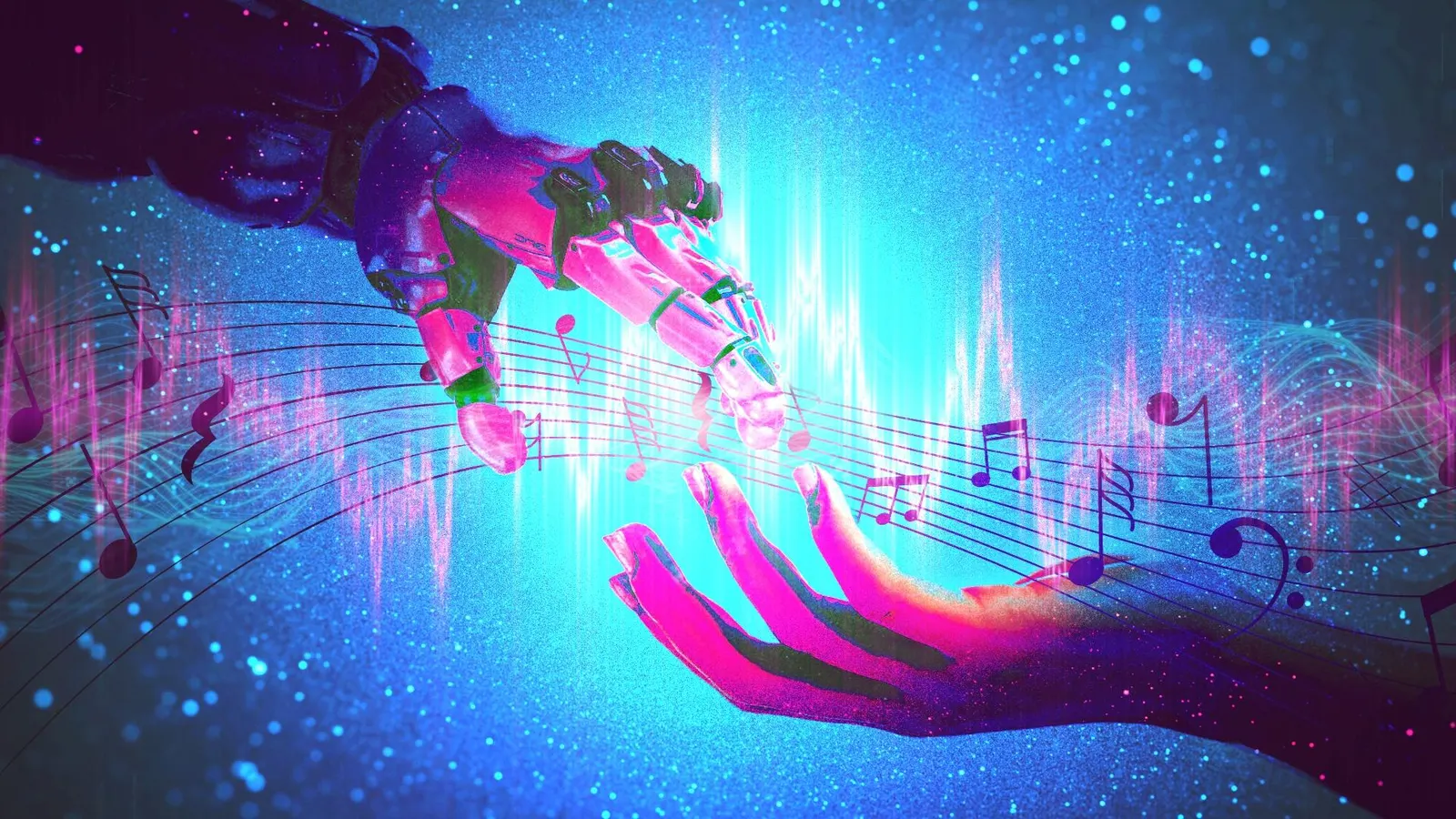
A game’s audio is half its emotional experience. Players in a tense dungeon crawl feel the tension through the music as much as through the mechanics. An atmospheric exploration game builds its sense of wonder through sound. Great audio elevates an average game. Poor audio undermines a good one.
Indie developers know this and face a production problem: game composers charge rates that reflect the complexity and length of the work. A 10-track game soundtrack from a professional composer runs into thousands of dollars — which is a significant portion of an indie game’s total budget.
Why Don’t Royalty-Free Packs Solve the Problem?
Pre-made game music packs feel like a solution. Low cost, instant download, technically royalty-free. The problem appears when you try to fit the music to the game.
Pack music wasn’t composed for your game’s specific aesthetic, emotional arc, or genre. An 8-bit platformer pack doesn’t serve a dark narrative RPG. A sci-fi ambiance pack doesn’t fit a medieval fantasy. The closest match still isn’t right — and players who’ve encountered the same pack in other games recognize it immediately.
Recognition breaks immersion. A player who’s heard your background track in two other indie titles stops feeling like they’re in your world.
What Does an AI Song Generator Change?
An ai song generator generates thematic tracks designed for your specific game. The brief captures the genre, the emotional character of each game area, the energy level appropriate to each gameplay context. The output is music that serves your game rather than approximating from a library.
The aesthetic control is significant. A horror game with specific visual design needs audio that matches the specific tonal quality of that design — not a generic horror ambiance that could serve any game in the genre.
How Does MIDI and Adaptive Audio Work?
For developers implementing adaptive audio — music that responds to gameplay state — MIDI-based generation provides the integration pathway. ai music workflows that include MIDI export enable audio middleware integration with systems like FMOD and Wwise. Dynamic music that transitions with gameplay states is achievable without a composer.
How Do You Build a Game Soundtrack Systematically?
Map the emotional geography of your game first. Every game has distinct areas or states: exploration, combat, tension, resolution, boss encounter, main menu. Each requires a distinct musical character. List the unique emotional contexts before generating anything.
Generate by context, not by count. Don’t generate tracks and then assign them. Generate tracks with a specific context in mind — this is the music for the forest area, this is the combat theme. Music designed for a specific function serves it better than music assigned after the fact.
Create thematic variations. A single melodic theme appearing in different arrangements across your game creates musical cohesion. Generate a main theme, then variations of it: the full-energy combat version, the quieter ambient version, the slow resolution version. The variations feel intentional because they’re related.
How Do Licensing and Commercial Release Work?
Royalty-free AI-generated music with clear commercial terms allows you to release your game without music licensing complications. Steam, itch.io, console storefronts — the music you generated belongs to your project and supports distribution on all platforms.
There’s no per-copy royalty. No platform-specific clearance. No publisher involvement required for the music rights.
Frequently Asked Questions
Is it legal to create AI music?
Yes. Creating and commercially releasing AI-generated music is legal, especially when using tools with clear commercial licensing terms. Royalty-free AI music enables indie game developers to release on all platforms (Steam, console, itch.io) without licensing complications or per-copy royalties.
Can people tell if a song is AI-generated?
Listeners may notice characteristics of AI music, but music composed specifically for your game context with thematic variations that build intentional musical relationships sounds coherent regardless of generation method. Quality lies in composition for the specific game, not in hiding the generation method.
What is better, Udio or Suno?
Both platforms have different strengths. For game audio where control over output quality, MIDI integration, and licensing terms matter, evaluate which platform best fits your specific workflow and commercial requirements rather than generic quality comparisons.
What is the number 1 AI-generated song?
Ranking AI-generated songs by commercial success is less relevant for game audio, where context-specific music composed for your game’s emotional geography matters more than broader cultural impact. Focus on generation tools that produce music serving your specific game aesthetic.
What Is the Production Outcome?
A full indie game soundtrack generated with AI tools costs a fraction of commissioned composition and gives the developer full creative control. The music serves the specific game, carries the specific emotional signature the game needs, and poses no licensing complications at release. That’s the game audio problem solved.