Enterprise agility: buzz or real business impact?
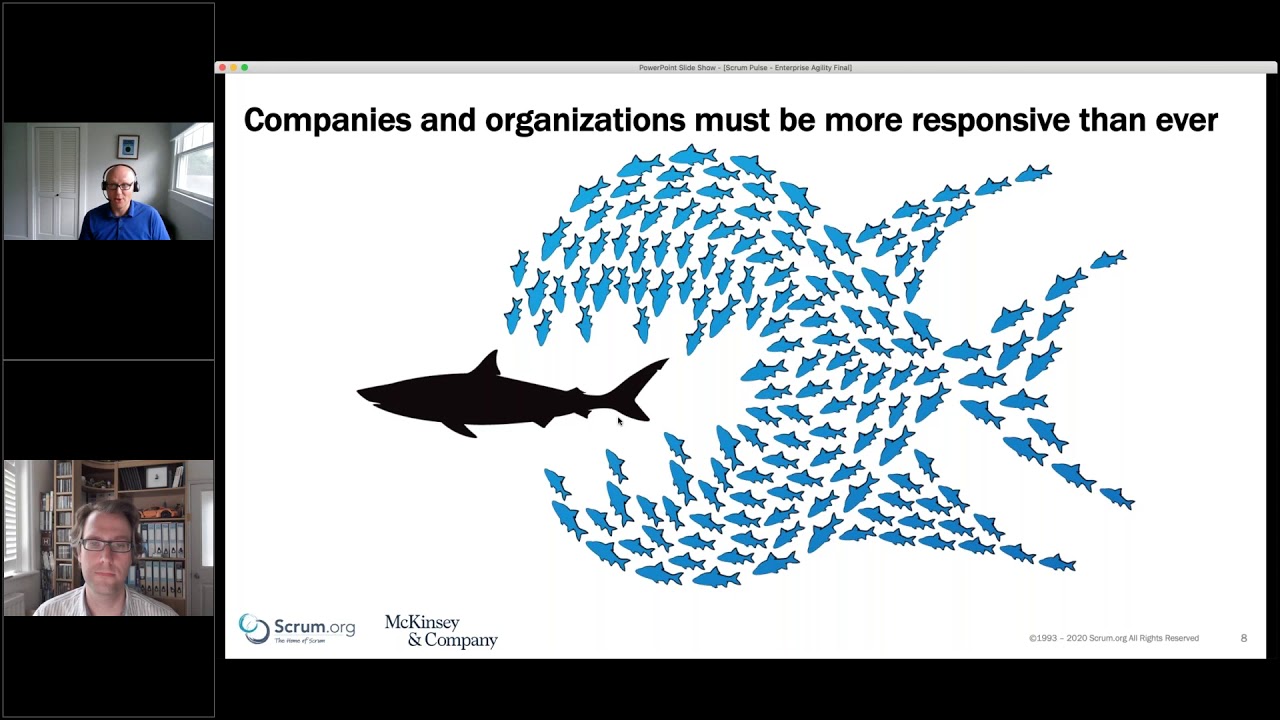
In boardrooms and development program offices, agility is no longer a niche capability; it is a strategic capability that affects planning, execution, and customer outcomes. The real question many executives ask is enterprise agility is buzz or impacts business, reflected in decisions about investments, teams, and platforms. When leadership aligns goals with measurable outcomes, agility becomes a driver of competitive advantage rather than a fashionable label.
At its core, enterprise agility means moving beyond silos to orchestrate value delivery across product, technology, and operations. It involves lightweight governance, rapid experimentation, and the ability to reallocate resources without triggering a cascade of approvals. The result can be faster time-to-value for customers, higher employee engagement, and a more resilient operating model that can weather disruptions such as supply-chain shocks or sudden customer shifts.
What makes agility real, not just a trend
Real enterprise agility is built on four pillars: leadership alignment, end-to-end value streams, empowered cross-functional teams, and data-driven decision making. When leaders share a common cadence for strategy, budgeting, and portfolio management, teams stop chasing perfection and start delivering iterative value. When value streams are mapped across silos, bottlenecks become visible, enabling targeted improvements rather than broad, expensive transformations.
From buzz to measurable impact
To move from buzz to measurable impact, organizations should pair agility with clear metrics. Consider cycle time, lead time, and customer-led outcomes as north stars, while monitoring stability, security, and cost. Agile at scale is not an excuse to rush features; it is a framework to learn faster, fail fast, and adjust course before big commitments lock in. Case studies across industries show that those who invest in platform thinking, automated testing, and continuous delivery pipelines tend to realize higher success rates and more predictable revenue streams.
- Define end-to-end value streams that tie customer outcomes to product and service delivery.
- Flux resources through quarterly planning with lightweight governance and visible roadmaps.
- Invest in automation, configuration management, and robust testing to reduce risk during rapid change.
- Measure outcomes in business terms, not only technical metrics.
Practical steps to drive sustained impact
Start with a health check: map value streams, inventory constraints, and current decision rights. Then pilot a scaled agile program in a single business domain before expanding. Foster a culture of psychological safety so teams can experiment without fear of blame. Finally, align incentives with long-term outcomes and customer value, not just short-term milestones.
For ongoing insights from the field, visit Dailiest and explore articles on leadership, technology, and organizational change. The goal is to turn ambition into tangible results without losing focus on core customer value.
Industry examples of impact
In manufacturing and distribution, agile practices help shorten replenishment cycles, reduce bullwhip effect, and improve demand sensing. In software and digital services, continuous integration and delivery shorten lead times from idea to user. In healthcare, cross-functional squads accelerate regulatory compliance and patient scheduling improvements. In retail, dynamic pricing and localized experimentation improve conversion without sacrificing margins. Across sectors, the pattern is similar: align teams around end-to-end value, empower decision rights, invest in data pipelines, and measure business outcomes such as corrected forecasting accuracy, customer retention, and revenue per employee. When leaders see these metrics move, the question of ‘enterprise agility’ shifts from buzz to tangible return.
One common pitfall is treating agility as a one-time project rather than an ongoing capability. Another is equating speed with reckless changes; agility requires guardrails, security, and disciplined experimentation. Overloading teams leads to burnout, while under-investing in automated testing creates bottlenecks. A third risk is misaligned incentives: if leaders reward short-term feature delivery over customer outcomes, the purpose of agility shifts from learning to ticking boxes. Finally, technology choices matter: avoid monolithic stacks and invest in modular architectures, API ecosystems, and robust data platforms that enable rapid experimentation. Avoiding these missteps helps sustain momentum and demonstrate value across cycles.Note: This article is designed for SEO optimization around the target keyword, with linked content that informs and guides practice.