ai website builder pros and cons of using artificial intelligence for web design
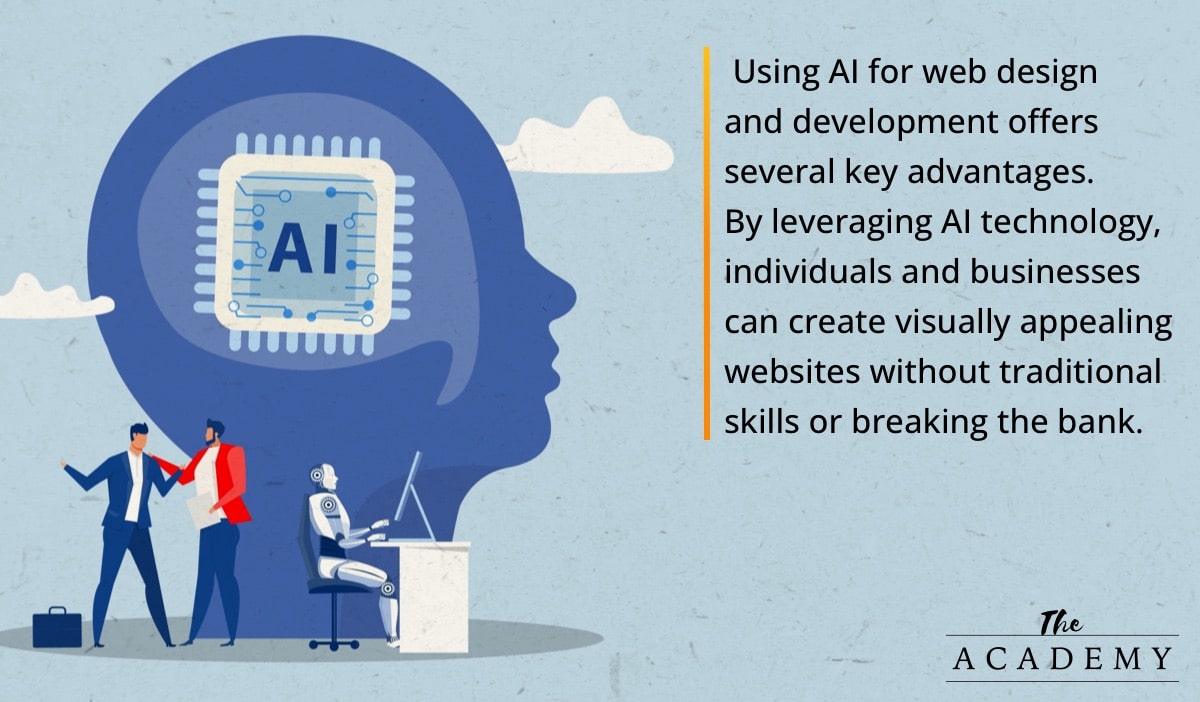
In a fast-paced digital landscape, AI-powered website builders promise to turn ideas into live sites without requiring a full team of designers and developers. This article explores the ai website builder pros and cons of using artificial intelligence for web design, helping teams evaluate whether automation aligns with their goals, budget, and brand voice.
What AI website builders do well
AI site builders excel at turning concepts into functional pages quickly. They analyze inputs, suggest templates, and auto-generate layouts, color schemes, and content blocks. For startups and small businesses, this can translate into a minimum viable presence within hours rather than weeks. For marketing teams, consistent styling across pages is easier to achieve, freeing time for strategy and optimization.
- Speed and accessibility: publish pages fast and iterate based on real user data.
- Consistency: centralized style guidelines reduce visual drift across modules.
- Content automation: smart defaults for headings, meta tags, and alt attributes support SEO efforts.
- Responsive design: automatic adaptation to phones, tablets, and desktops.
- Iterative testing: built-in analytics help refine layout, copy, and CTAs.
Where AI can fall short
Despite the gains, there are legitimate downsides to relying exclusively on artificial intelligence for design. AI can struggle with brand nuance, complex navigation, and interactive storytelling that requires a human touch. In some cases, the generated code may be harder to customize or maintain, and depending on a single platform can introduce vendor risk.
- Creativity limits: templates may feel generic without targeted customization.
- Customization friction: deep edits can be restrictive or require workarounds.
- Code quality and ownership: generated code might include redundancies or dependencies.
- Vendor lock-in: portability and future migrations can be challenging.
- Privacy and compliance: data handling, cookies, and accessibility must be carefully managed.
Use cases, industries, and practical applications
Many teams find AI website builders most effective for specific scenarios. Landing pages for campaigns, portfolio sites for freelancers, product pages with quick setup, or regional microsites can benefit from rapid deployment. Marketing agencies use AI tools to prototype concepts for clients, while product teams deploy AI-assisted pages that adapt to user segments. However, enterprise sites with complex integrations, custom workflows, or strict accessibility requirements may still rely on traditional design and development processes to meet exacting standards.
SEO, performance, and accessibility considerations
From an SEO standpoint, AI-generated pages can be optimized, but you must verify that headings, structured data, and alt text are meaningful and aligned with your content strategy. Performance matters too: automated templates may add bloat if not pruned, so regular audits and clean exports are essential. Accessibility is non-negotiable; ensure contrast ratios, keyboard navigation, and screen-reader labels meet WCAG guidelines. Hybrid approaches—using AI for structure and human oversight for polish—tend to deliver the best balance of speed and quality.
How to choose and implement wisely
To pick the right tool, start with clear goals: is speed your top priority, or do you need highly customized experiences? Evaluate platforms on template flexibility, export options, accessibility controls, and how easily you can layer hand-written content on top of AI-generated layouts. A phased approach—pilot with a small site, then expand—reduces risk and reveals real-world fit before broader adoption.
Plan for the long term: document design decisions, establish brand voice guidelines, and set up quality checks for performance and accessibility. Flag any AI-generated content that lacks context or human nuance, and earmark resources for occasional redesigns to keep your site fresh and aligned with evolving goals.
For a detailed breakdown of the topic, read more at the source: ai website builder pros and cons of using artificial intelligence for web design.
To explore more tutorials and case studies, visit the NewsDest site.