Fibroids: Everything You Need to Know
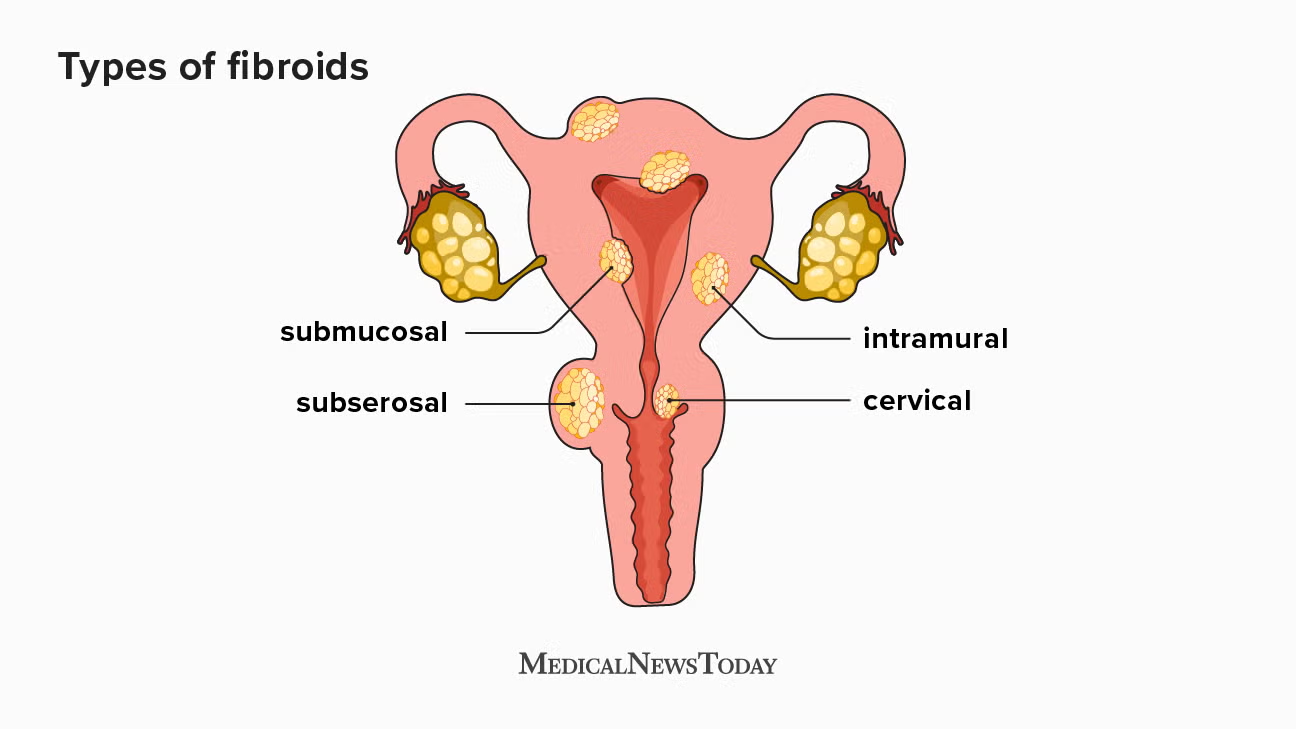
Fibroids are noncancerous growths that develop in or on the uterus. They are common, especially in women in their 30s and 40s, and many women have no symptoms at all. Understanding what fibroids are, how they’re diagnosed, and the options for management can help you feel more in control of your health. For many readers, fibroids everything you need to know can seem overwhelming—but a clear guide can simplify things.
What are fibroids?
Fibroids, also called uterine leiomyomas, are benign tumors that grow from the muscle tissue of the uterus. They vary in size from tiny seeds to bulky masses and can occur in different locations: intramural fibroids grow inside the uterine wall; submucosal fibroids protrude into the uterine cavity; subserosal fibroids grow on the outside of the uterus; pedunculated fibroids are attached by a stalk. Most fibroids are not cancerous and do not become cancerous.
Symptoms and who is affected
Many people with fibroids experience no symptoms. When they do occur, common signs include heavy or prolonged menstrual bleeding, painful urination or bowel movements if the fibroid presses on organs, pelvic pressure or fullness, backache, and sometimes fertility or pregnancy challenges. The impact on daily life—bleeding, fatigue, anemia, or pain—often drives people to seek care.
How fibroids are diagnosed
Diagnosis typically begins with a pelvic exam. Imaging tests such as ultrasound are standard tools to confirm fibroids’ presence, size, and location. In some cases, MRI or specialized ultrasound techniques help guide treatment planning, especially if a surgical approach is being considered.
Treatment options
Many fibroids do not require treatment unless they cause bothersome symptoms or affect fertility. Common strategies include:
- Watchful waiting for small, asymptomatic fibroids with regular monitoring.
- Medications to control symptoms, including nonsteroidal anti-inflammatory drugs for pain and tranexamic acid during menses.
- Hormonal therapies to regulate bleeding, such as combined birth control pills or progestin-releasing methods.
- Myomectomy to remove fibroids while preserving the uterus, often chosen by people who wish to become pregnant.
- Uterine fibroid embolization (UFE) or MRI-guided focused ultrasound for non-surgical treatment.
- Hysterectomy, a definitive option for those who do not wish to have future pregnancies.
Choosing a path that fits you
Deciding on a treatment involves factors like age, pregnancy plans, fibroid size and location, symptom severity, and overall health. A gynecologist or a fibroid specialist can walk you through the pros and cons of each option, helping tailor a plan to your goals and circumstances.
Lifestyle, prevention, and living well
While there is no guaranteed way to prevent fibroids, many people benefit from a healthy lifestyle: maintain a balanced diet rich in fruits, vegetables, and whole grains; manage weight, stay physically active, and reduce stress. Adequate sleep and regular medical checkups support overall uterine health and can help detect changes early.
For more reliable information, visit the GetGoodRead homepage.