Piles Symptoms Causes and Treatment: A Practical Guide
Piles, or hemorrhoids, are swollen veins in the lower rectum and anus. They are a common condition that can cause discomfort, itching, and bleeding, but they are usually manageable with lifestyle changes and appropriate medical care. This article focuses on piles symptoms causes and treatment to help you recognize signs early and decide when to seek help.
What are piles?
Piles occur when the veins around the anus or lower rectum become enlarged due to increased pressure or irritation. They can be internal (inside the rectum) or external (under the skin around the anus). Most people experience mild symptoms at some point, and many cases improve with simple home care.
Piles symptoms
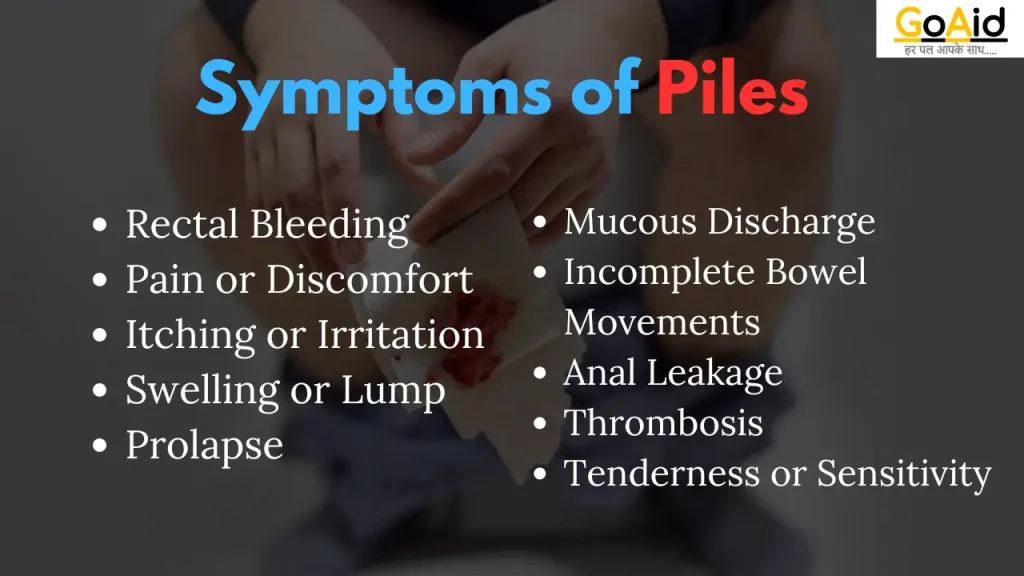
- Bleeding during bowel movements, often bright red
- Itching or irritation in the anal region
- A lump around the anus that may be tender or painful
- Discomfort or a feeling of fullness, especially when sitting
- Pain during bowel movements in external hemorrhoids
Causes and risk factors
Several factors contribute to the development of piles. Straining during bowel movements, chronic constipation or diarrhea, and sitting for long periods can raise pressure on the anal veins. Pregnancy, aging, obesity, a sedentary lifestyle, and lifting heavy objects repeatedly also increase risk. A diet low in fiber and inadequate fluid intake can lead to harder stools and more straining, which over time promotes hemorrhoidal growth.
When to seek medical advice
Most piles are not dangerous, but persistent or severe symptoms warrant evaluation by a healthcare professional. Seek care if you notice heavy or prolonged bleeding, intense pain, a lump that enlarges or does not improve, or symptoms lasting more than a few weeks despite home care. A clinician can rule out other conditions with similar symptoms and discuss treatment options.
Piles treatment: from home care to medical options
Initial relief focuses on reducing irritation and softening stools. Key steps include:
- Increase dietary fiber with fruits, vegetables, whole grains, and legumes
- Drink plenty of water to prevent dehydration and easy stool passage
- Consider a fiber supplement if your intake is low
- Take warm sitz baths for 10 to 15 minutes a few times daily, especially after bowel movements
- Use over-the-counter topical products for short-term relief, but avoid prolonged use without guidance
Lifestyle adjustments often resolve mild piles and reduce recurrence. If symptoms persist or worsen, doctors may suggest medical procedures such as:
- Rubber band ligation to cut off blood supply to the hemorrhoid
- Sclerotherapy to shrink the hemorrhoid by scarring
- Infrared coagulation or laser therapy to seal blood vessels
- Hemorrhoidectomy or stapled hemorrhoidopexy for large or prolapsing hemorrhoids
Prevention and long-term care
Long-term prevention centers on consistent fiber intake, regular hydration, and physical activity. Avoid prolonged straining or sitting on the toilet, and consider short walks after meals to promote bowel regularity. If you have a family history of hemorrhoids or chronic digestive issues, discuss preventive strategies with a clinician to tailor a plan.
For a detailed guide, see piles symptoms causes and treatment.
To explore more health resources and insights, visit Veriibe.