Your Ultimate Guide to an Unforgettable Sichuan-Tibet Route Journey
Exploring the Sichuan-Tibet route is a dream for many travelers seeking an extraordinary adventure through breathtaking landscapes, rich Tibetan culture, and vibrant local traditions. A well-planned Sichuan-Tibet route itinerary ensures that you experience the best of this majestic region while navigating high-altitude terrain safely. This guide provides a detailed itinerary, tips, and essential insights to make your journey truly unforgettable.
Understanding the Sichuan-Tibet Route
The Sichuan-Tibet route connects the heart of Sichuan province to the mystical Tibetan plateau, offering an extraordinary combination of lush valleys, snow-capped mountains, sacred monasteries, and serene lakes. Unlike other routes to Tibet, the Sichuan-Tibet path allows travelers to gradually acclimate to high altitudes, reducing the risk of altitude sickness. This route also passes through some of the most scenic parts of western China, making it ideal for photography, cultural exploration, and adventure.
Travelers typically begin in Chengdu, the capital of Sichuan, known for its relaxed pace, spicy cuisine, and iconic giant pandas. From here, the route heads west toward Kangding, Litang, and eventually reaches Lhasa, the capital of Tibet. Along the way, the landscapes shift dramatically, from verdant Sichuan valleys to rugged Tibetan highlands, offering an unforgettable visual experience.
Day 1-2: Chengdu – The Gateway to Tibet
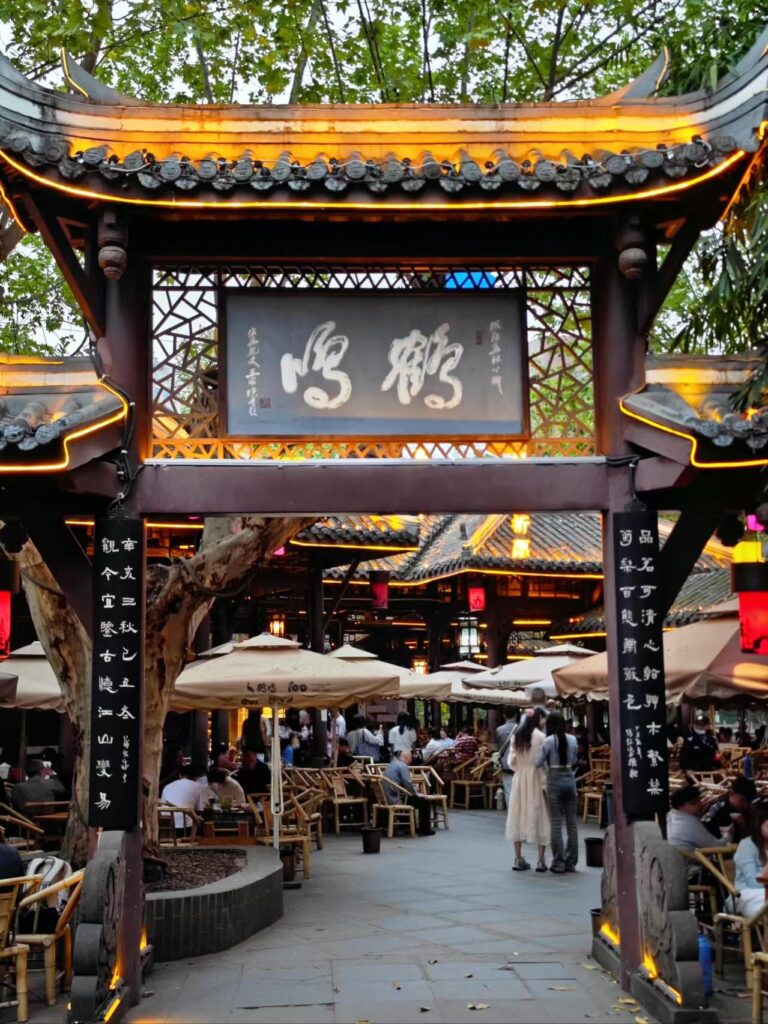
Starting your Sichuan-Tibet route itinerary in Chengdu is both convenient and culturally enriching. Spend at least two days in the city to explore its highlights. Visit the Chengdu Research Base of Giant Panda Breeding to see pandas in their natural habitat. Don’t miss Jinli Ancient Street for a taste of Sichuanese culture, traditional snacks, and local handicrafts.
Chengdu is also the perfect place to prepare for the journey ahead. Stock up on travel essentials, ensure your travel permits are in order, and sample the local cuisine. Sichuan hotpot is a must-try, offering both a fiery culinary experience and a chance to mingle with locals.
Day 3: Chengdu to Kangding
The drive from Chengdu to Kangding marks the beginning of the high-altitude adventure. This leg of the Sichuan-Tibet route itinerary takes you through mountainous terrain, picturesque rivers, and small Tibetan towns. Kangding, often considered the gateway to Tibet, is famous for its Tibetan culture and stunning natural surroundings.
In Kangding, explore the local markets, taste yak butter tea, and enjoy views of the Dadu River. If time allows, take a short trek in the nearby mountains to witness the breathtaking scenery and pristine air, which helps travelers acclimate to higher elevations gradually.
Day 4-5: Kangding to Litang
Continuing the journey westward, the route passes through serene landscapes dotted with grazing yaks and traditional Tibetan villages. Litang, a town at an altitude of over 4,000 meters, is renowned for its monasteries, Tibetan festivals, and horse-racing events.
Visiting Litang Monastery is a highlight of this portion of the Sichuan-Tibet route itinerary. The monastery is home to centuries-old statues, murals, and religious artifacts. Travelers should take it slow at this altitude, allowing their bodies to adjust and preventing altitude sickness. Exploring local villages offers an authentic glimpse into Tibetan daily life.
Day 6-7: Litang to Dege and Derge Monastery
The stretch from Litang to Dege is a paradise for history buffs and culture enthusiasts. Dege is famous for its ancient printing house, the Derge Parkhang, which preserves priceless Buddhist scriptures and traditional woodblock printing techniques.
This part of your Sichuan-Tibet route itinerary immerses travelers in Tibetan religious and cultural heritage. Walking through the narrow streets of Dege, witnessing monks at prayer, and observing local artisans at work creates an experience that feels timeless. The surrounding mountains and rivers make it a dream destination for nature photographers as well.
Day 8-9: Dege to Chamdo
The journey continues toward Chamdo, a region rich in Tibetan history and monasteries. Chamdo is a crucial cultural center, with significant religious sites such as the Galden Namgey Lhatse Monastery. Travelers can experience traditional Tibetan rituals, attend local festivals, and interact with friendly locals.
The road to Chamdo offers spectacular views of the Hengduan Mountains, with snow-capped peaks and winding rivers providing a dramatic backdrop. These days of travel also prepare you for the final leg of the Sichuan-Tibet route itinerary, as altitudes continue to rise closer to Lhasa.
Day 10-12: Chamdo to Lhasa
The final stretch of the journey leads to Lhasa, the spiritual heart of Tibet. Passing through pristine landscapes, including the sacred Yarlung Tsangpo River and vast Tibetan plateaus, travelers feel a sense of accomplishment upon reaching Lhasa.
In Lhasa, the Potala Palace, Jokhang Temple, and Barkhor Street are must-visit landmarks. Each site offers insight into Tibetan Buddhism, traditional architecture, and the vibrant culture that defines the region. Spending a few days in Lhasa allows you to absorb its spiritual atmosphere, attend local ceremonies, and enjoy panoramic views of the surrounding mountains.
Tips for a Successful Sichuan-Tibet Route Itinerary
- Acclimate Slowly: Gradually increasing altitude helps prevent altitude sickness. Take rest days in Kangding and Litang.
- Travel Permits: Foreign travelers need a Tibet Travel Permit, which must be arranged through a registered travel agency.
- Local Cuisine: Embrace Tibetan and Sichuan cuisine, from yak butter tea to spicy Sichuan dishes, but stay hydrated.
- Weather Preparation: Temperatures can vary dramatically. Pack layers, including thermal wear, waterproof jackets, and sturdy trekking shoes.
- Photography: The route offers endless photo opportunities. Early mornings and late afternoons provide the best light for landscapes and cultural portraits.
- Responsible Travel: Respect local customs and traditions, and always ask before photographing monks or villagers.
Conclusion
A Sichuan-Tibet route itinerary offers an unparalleled combination of natural beauty, cultural richness, and spiritual exploration. From the bustling streets of Chengdu to the sacred temples of Lhasa, each stop on this route provides unforgettable experiences. With careful planning, altitude preparation, and a sense of adventure, travelers can enjoy one of the most remarkable journeys in the world. Whether you’re captivated by Tibetan monasteries, mountain landscapes, or local festivals, this route promises memories that will last a lifetime.
The Sichuan-Tibet route is more than a journey—it’s an adventure that connects you to nature, culture, and history in a way few other trips can. Following this itinerary ensures a balanced, immersive, and unforgettable travel experience.